

What Is Cupping Therapy and How Does It Help?
Posted by: in Patient Education on January 12, 2026
Muscle tightness, soreness, and restricted movement can make everyday activities uncomfortable. When muscles and connective tissue stay tense, pain can linger and limit how the body moves. One treatment patients often ask about is cupping therapy treatment, which helps reduce muscle tension and support healing.
Cupping therapy is a technique used by trained physical therapists to improve blood flow, reduce muscle tension, and support healing. When used as part of a physical therapy plan, cupping therapy can help patients move more freely and feel relief sooner.
What Is Cupping Therapy Treatment and How Does It Work?
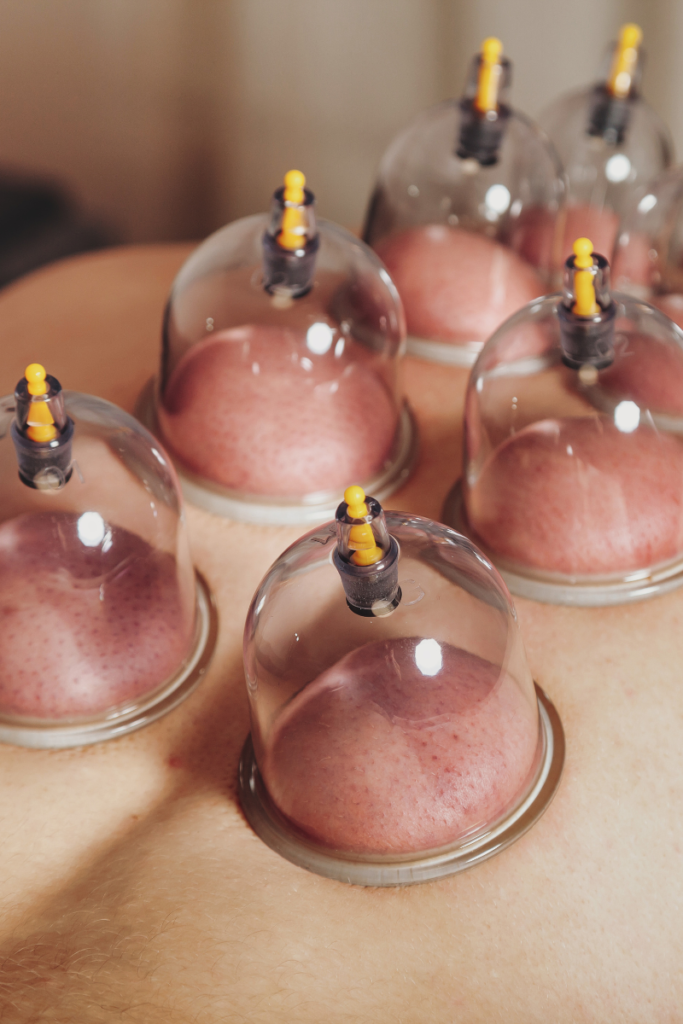
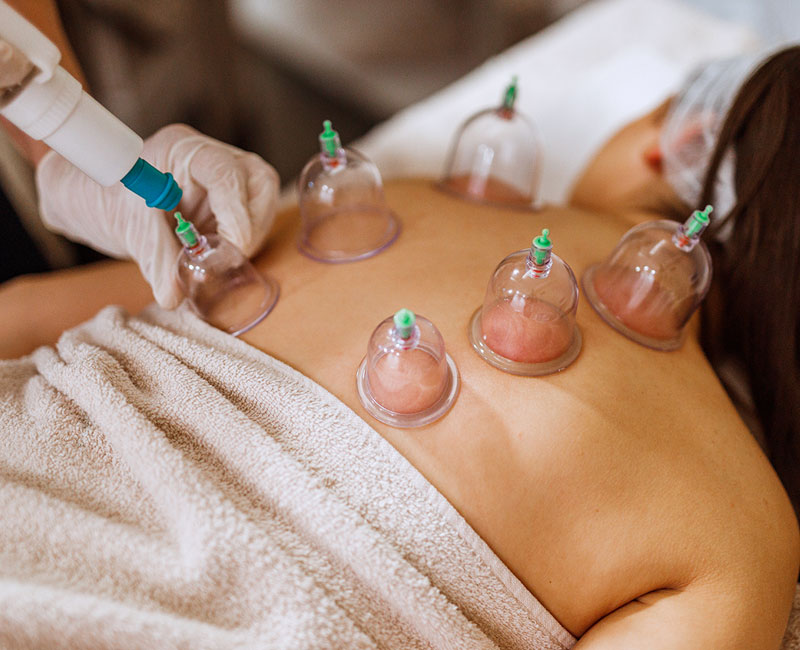
Cupping therapy uses special cups placed on the skin to create gentle suction. This suction lifts the skin and underlying tissue, helping increase blood flow and reduce muscle tightness.
Unlike massage, which presses into the muscles, cupping therapy works by gently pulling tissue upward. This different approach can help release restrictions that are harder to reach with hands-on techniques alone.
How This Technique Works
The suction created by the cups helps improve circulation to tight or painful areas. Increased blood flow brings oxygen and nutrients to the tissue, which supports healing and reduces stiffness. As tension decreases, muscles often relax and movement becomes easier. Cupping therapy is most effective when combined with stretching, strengthening, and guided movement.
What Conditions Can Cupping Therapy Help With?
Cupping therapy is commonly used to treat muscle-related pain and movement restrictions. It may help with neck pain, back pain, shoulder tightness, hip discomfort, and muscle soreness from overuse.
It can also be helpful for people experiencing stiffness after injury, repetitive strain, or prolonged sitting. Your physical therapist will determine if cupping therapy is appropriate based on your symptoms and movement evaluation.
What Does Cupping Therapy Feel Like?
Most patients describe cupping therapy as a strong pulling or stretching sensation rather than pain. The feeling is often described as pressure or tightness that eases as the muscles begin to relax.
After treatment, the area may feel looser or more mobile. Temporary circular marks may appear on the skin and usually fade within several days.
Is Cupping Therapy Safe?
When performed by a trained and licensed physical therapist, cupping therapy is considered safe. Therapists follow proper techniques and adjust the intensity based on comfort and individual needs. Before treatment, your therapist will explain what to expect and answer any questions to ensure cupping therapy is right for you.
How Cupping Therapy Fits Into Physical Therapy
Cupping therapy is rarely used on its own. It works best as part of a comprehensive physical therapy plan that includes exercise, stretching, and movement retraining. By reducing muscle tension first, cupping therapy can make other treatments more effective and comfortable.
How Reform Physical Therapy Uses Cupping Therapy
At Reform Physical Therapy, cupping therapy is used as one tool within a personalized treatment plan. Our therapists focus on understanding your movement, pain patterns, and goals before recommending cupping. If cupping therapy is appropriate, it is combined with one-on-one physical therapy to support lasting improvement and better movement.
If muscle tightness or stiffness is limiting how you move, cupping therapy may help. Contact Reform Physical Therapy to schedule an evaluation and learn if cupping therapy is right for you.
RELATED BLOG POSTS:
- What Is Dry Needling and How Does It Help?
- Conditions Physical Therapy Treats
- When to See a Physical Therapist
- Physical Therapy vs Rest: When Movement Is Better