


Why Spring Yard Cleanup Causes So Many Injuries in Maine
Posted by: Reform Physical Therapy in Injury Prevention on March 9, 2026
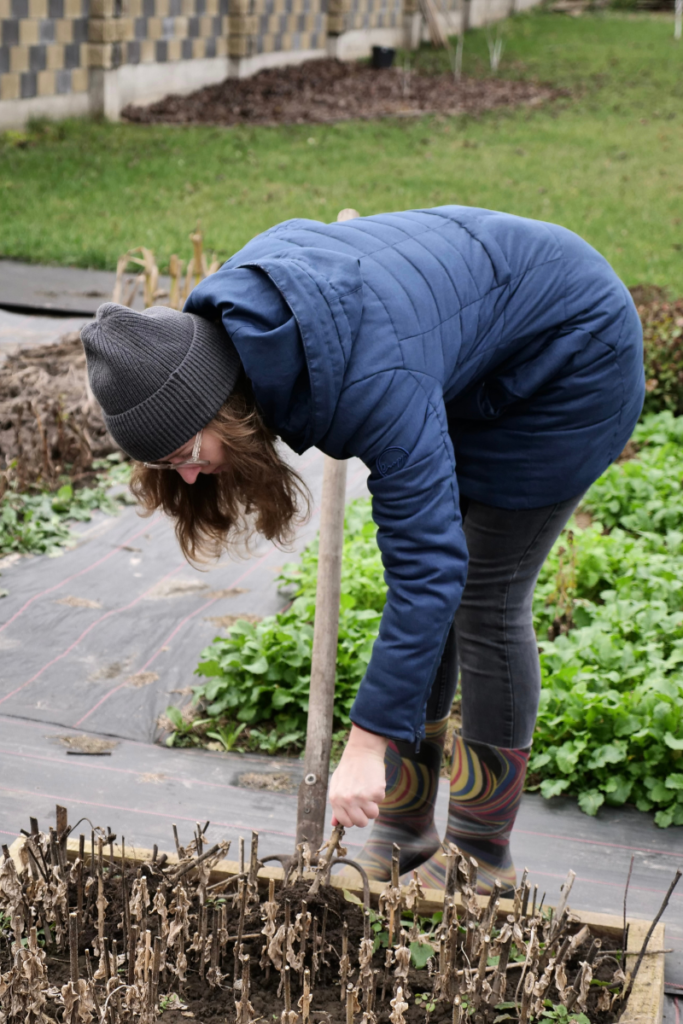
After a long Maine winter, many homeowners rush outside to tackle spring yard cleanup. While it feels good to get outside again, physical therapists often see a surge in yard work injuries in Maine every spring as people jump into heavy outdoor work after months of inactivity. That’s why yard work injury prevention is especially important as the seasons change.
However, spring yard cleanup is also one of the most common times of year for injuries. Physical therapists and healthcare providers often see a noticeable increase in patients with back pain, shoulder strains, knee irritation, and other musculoskeletal injuries once yard work season begins. Understanding why these injuries happen can help Maine homeowners approach spring cleanup more safely.
The sudden jump in physical activity
One of the biggest reasons injuries happen in the spring is the sudden increase in physical activity. During the winter months, many people become less active. Cold temperatures, snow, and ice often limit outdoor movement, and daily activity levels tend to decrease.
When spring finally arrives, people often jump straight into several hours of demanding yard work. Tasks such as raking, lifting branches, spreading mulch, and digging in garden beds require muscles and joints to work hard. If the body has not been used to that level of activity for several months, it can quickly become overwhelmed.
Muscles that are tight or deconditioned are more likely to strain when pushed too hard. This is why many people experience back pain or muscle soreness after their first weekend of yard work. The body simply has not had time to gradually rebuild strength and endurance.
Repetitive movements put stress on joints and muscles
Spring cleanup involves a surprising amount of repetitive motion. Raking leaves, pulling weeds, trimming bushes, and shoveling debris all require the same movements to be repeated over and over again. Repetitive bending, lifting, and twisting are some of the biggest reasons yard work injuries in Maine happen during spring cleanup.
These tasks often involve bending, twisting, and reaching, which can place significant stress on the spine and surrounding muscles. When those motions are repeated for long periods of time without breaks, muscles begin to fatigue. Once fatigue sets in, the body loses some of its stability and control, which increases the risk of injury.
The lower back and shoulders are especially vulnerable during repetitive yard work. The raking motion, for example, combines twisting through the spine with repetitive pulling through the shoulders and arms. Over time, that movement can irritate muscles, tendons, and joints.
Improper lifting techniques
Another major cause of injury during spring yard work is lifting heavy materials without proper technique. Many cleanup tasks involve lifting bags of mulch, piles of wet leaves, fallen branches, or wheelbarrows filled with debris.
When people bend at the waist instead of using their legs, the pressure placed on the spine increases dramatically. The lower back absorbs most of the load, which can strain muscles and irritate spinal discs.
Even something as simple as lifting a bag of soil or moving a large branch can lead to a painful back injury if the body is not positioned correctly. These injuries often happen quickly and can linger for weeks if not addressed.
Mud season and uneven ground
Mud season is a unique challenge across Maine. As snow melts and the ground softens, slippery grass, hidden debris, and uneven terrain make slips and falls more likely during yard cleanup.
Wet grass, muddy soil, and hidden holes beneath leftover leaves can easily cause someone to lose their footing. Slips and falls are common during this time of year, especially when people are carrying tools or heavy debris.
Even a small misstep on uneven ground can lead to ankle sprains, knee injuries, or wrist injuries when someone tries to catch themselves during a fall.
Fatigue leads to poor body mechanics
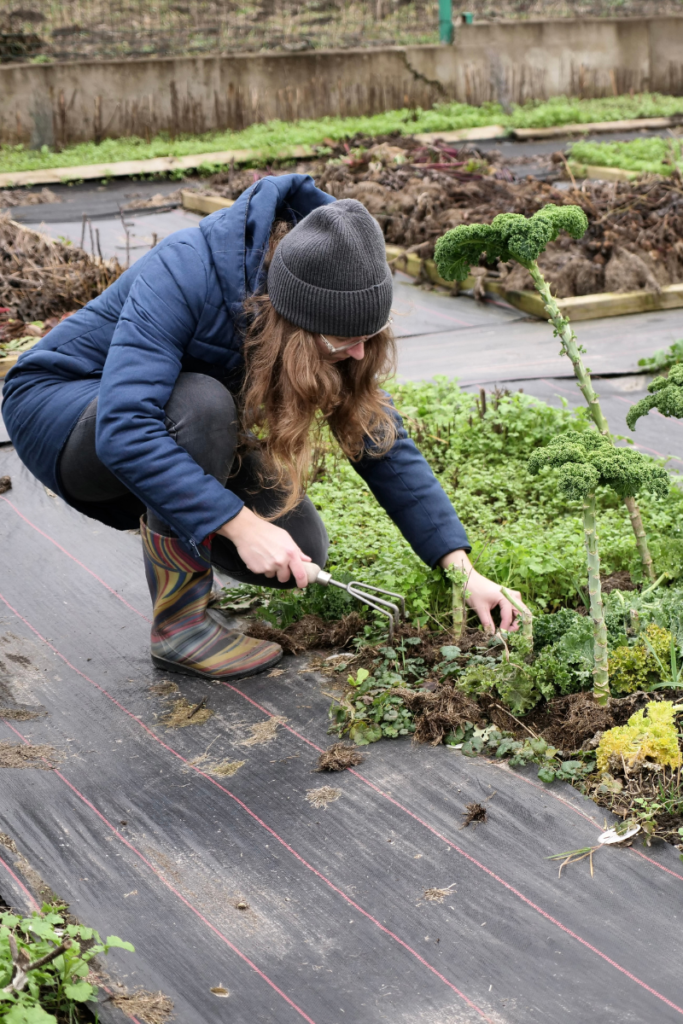
Many spring cleanup projects turn into long days of work outdoors. While it can feel satisfying to finish everything at once, working for several hours without rest often leads to fatigue.
As muscles become tired, posture and lifting mechanics begin to break down. People may start bending incorrectly, twisting awkwardly, or using muscles that are already strained. This is when injuries are most likely to occur.
Fatigue also slows reaction time, making it easier to trip over debris or lose balance while working.
The Most Common Yard Work Injuries in Maine
Physical therapists often see a consistent pattern of injuries during the spring cleanup season. Lower back strains are one of the most common issues, especially after lifting heavy materials or spending hours bent forward while raking.
Shoulder pain is another frequent complaint. Repetitive arm movements during raking or trimming can irritate the rotator cuff and surrounding tendons. Knee pain can also develop from repeated squatting, kneeling, or walking on uneven ground.
In some cases, people may experience nerve irritation in the lower back that leads to pain traveling down the leg. This type of pain can occur when the spine becomes stressed during lifting or twisting movements.
How to Prevent Yard Work Injuries This Spring
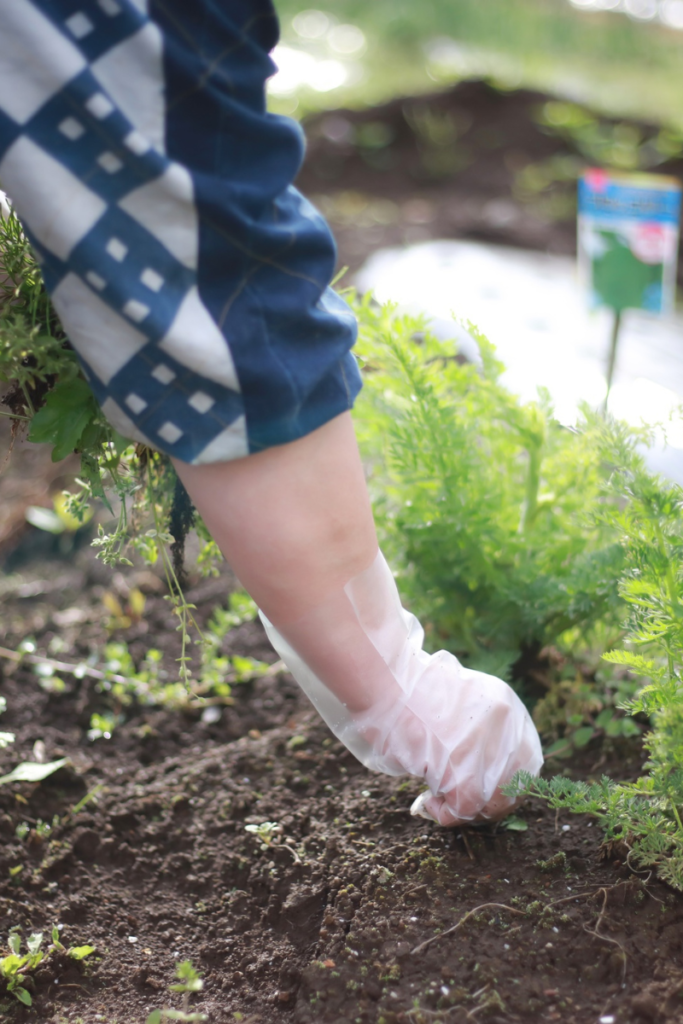
Starting slowly is important. Instead of trying to complete the entire yard in one day, spreading tasks out over several days gives the body time to adjust. Taking short breaks throughout the day also helps prevent fatigue.
Warming up before beginning yard work can help prepare muscles for activity. Even a few minutes of walking or light stretching can increase circulation and improve flexibility.
Using proper lifting mechanics is also critical. Bending through the hips and knees rather than the waist helps protect the lower back. Keeping objects close to the body and avoiding twisting while lifting can also reduce strain on the spine.
Finally, paying attention to footing during mud season is important. Wearing supportive shoes with good traction can help prevent slips on wet or uneven ground.
When to See Physical Therapy for Yard Work Injuries
It is normal to feel some soreness after physical activity, especially early in the season. However, persistent pain that lasts more than a few days should not be ignored.
Pain in the back, shoulders, knees, or hips that interferes with daily activities may indicate an injury that requires treatment. Early intervention can help prevent small issues from turning into long-term problems.
Physical therapy can help address many of the common injuries associated with yard work. Through targeted exercises, manual therapy, and movement education, physical therapists help patients recover safely and return to the activities they enjoy.
A safer start to spring
If spring yard cleanup has left you dealing with back pain, shoulder discomfort, or knee irritation, the team at Reform Physical Therapy is here to help. With clinics across Southern Maine, our physical therapists provide one-on-one care to help you recover safely and get back to the activities you enjoy. Many yard work injuries in Maine happen early in the spring when people suddenly return to outdoor activity after a long winter.
Taking the time to work gradually, use proper mechanics, and listen to your body can help reduce the risk of injury. With the right approach, you can enjoy the benefits of outdoor activity while keeping your body healthy throughout the season.
If spring yard work left you dealing with back pain, shoulder soreness, or knee discomfort, you do not have to push through it alone. The physical therapists at Reform Physical Therapy can help identify the source of the problem and create a plan to get you moving comfortably again. Contact one of our seven Southern Maine locations to schedule an evaluation and get back to enjoying the season pain-free.