


The Best Exercises to Stay Independent as You Age
Posted by: Reform Physical Therapy in Healthy Aging & Independence on February 4, 2026

Staying active as you get older is one of the most effective ways to maintain confidence, mobility, and independence. Simple, consistent movement helps you stay strong enough to do everyday tasks comfortably—things like carrying groceries, climbing stairs, or getting up from a chair. That’s why adding exercises for healthy aging independence to your routine can make such a big difference.
These exercises focus on three key areas: strength, balance, and mobility. Together, they support safer movement, reduce fall risk, and help you stay independent for years to come.
Why Exercises for Healthy Aging Independence Matter
As we age, natural changes in muscle mass, joint mobility, and balance can make certain activities feel harder. But regular exercise helps slow those changes and keeps your body capable and resilient.
Strength, balance, and mobility work together to help you:
- Stay steady and reduce falls
- Maintain confidence during daily tasks
- Improve reaction time
- Support joint health
- Keep up with hobbies and routines
The goal isn’t perfection—it’s staying active, capable, and independent.
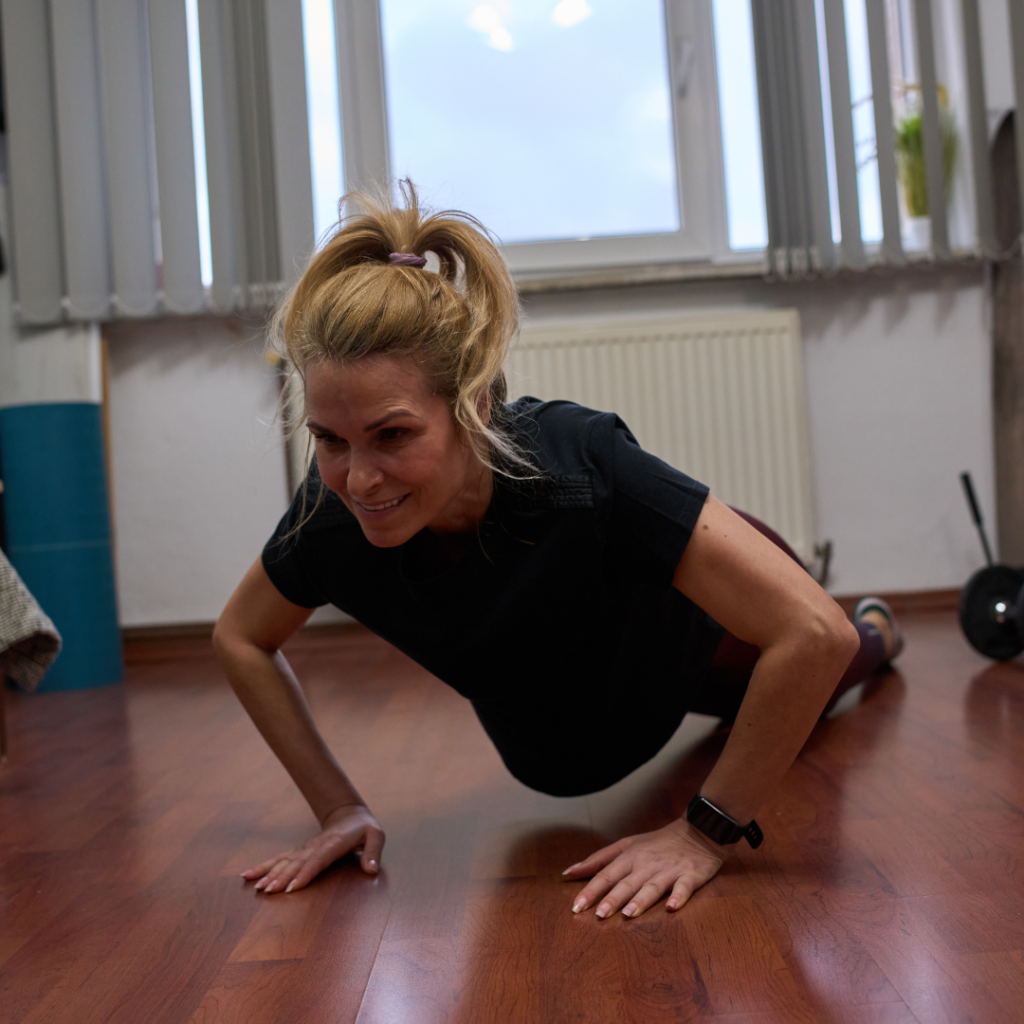
Strength Exercises That Support Aging Independence
Strength training is one of the most important components of exercises for healthy aging independence. Strong muscles protect your joints, support your back, and improve your balance.
Here are a few beginner-friendly exercises:
Sit-to-Stand
This helps build leg strength needed for everyday movements like getting off the couch or out of the car.
Wall Push-Ups
A gentle upper-body strengthening option that builds arm, chest, and shoulder support.
Step-Ups
Strengthens your legs and improves stair-climbing confidence.
Mobility Exercises That Improve Healthy Aging Independence
Good balance is essential for preventing falls and supporting independence at home and in the community.
Single-Leg Stance
Standing on one leg (with support nearby) helps improve stability and coordination.
Heel-to-Toe Walk
Strengthens the small muscles in your feet and ankles that support balance.
Side Leg Raises
Helps stabilize your hips and pelvis, two major factors in steady walking.
These balance exercises train your body to react better, stay steady on uneven surfaces, and avoid stumbles.
Mobility Exercises to Maintain Independence as You Age
Mobility keeps your joints moving comfortably and allows you to bend, reach, twist, and step without pain or stiffness.
Ankle Circles
Improve ankle mobility and gait stability.
Seated Spinal Twist
Supports flexibility through your mid-back, which helps with turning and reaching.
Marching in Place
Promotes hip mobility and warm blood flow throughout the legs.
Consistent mobility work keeps your joints feeling smoother and your body moving freely.
Functional Exercises to Maintain Independence as You Age
Functional exercises mimic everyday movements so your body feels prepared for real-life tasks.
Try adding:
- Carrying exercises (hold light weights while walking)
- Mini squats
- Reaching exercises (gentle overhead or side reaches)
These movements help you stay confident doing things around the house, on errands, or during hobbies.
How Physical Therapy Supports Healthy Aging Independence
If pain, balance issues, or mobility limitations make exercise challenging, physical therapy can help. A therapist will create a plan tailored to your individual needs—helping you build strength safely, improve confidence, and stay active.
PT can be especially helpful for:
- Fall prevention
- Arthritis or joint pain
- Post-surgical recovery
- Balance and dizziness
- Everyday mobility challenges
Personalized support can make all the difference in staying strong and independent.
When to Seek Additional Support
If you notice increasing stiffness, difficulty with daily tasks, or new pain, don’t push through it alone. Early support helps you stay active and independent without unnecessary setbacks.
Ready to Stay Strong and Independent?
If you’re noticing changes in balance, strength, or daily mobility, you don’t have to tackle it alone. Our therapists can help you build confidence, improve your movement, and stay independent as you age. Reform Physical Therapy offers one-on-one care, personalized plans, and guidance that supports your goals at every step.
Book an appointment at your nearest clinic to get started.
RELATED BLOG POSTS
- Maintaining Strength as You Age: Safe Exercises for Every Decade
- Why Every Athlete Should See a PT Before They’re Injured
- How Physical Therapy Helps with Sciatica