


Why You Feel Pressure “Down There” After Standing All Day
Posted by: in Pelvic Health on May 27, 2026
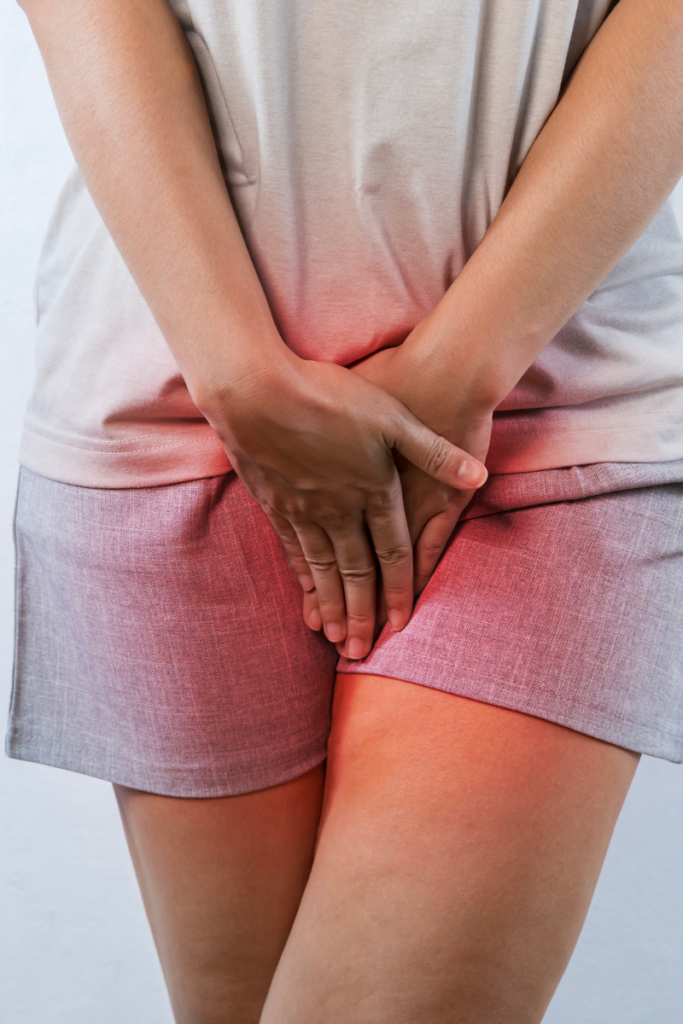
If you’ve ever gotten home after a long shift and felt a heavy, achy, or uncomfortable pressure “down there,” you are not alone. Many women experience pelvic pressure after standing for long periods of time, especially after workdays spent on their feet. Hair stylists, nurses, teachers, retail workers, moms, dental hygienists, warehouse employees, and healthcare workers commonly deal with this feeling but often assume it is “normal” or something they just have to live with.
While occasional discomfort can happen, ongoing pelvic pressure is your body’s way of signaling that something may need support, attention, or treatment. At Reform Physical Therapy, we help people better understand the root causes behind pelvic discomfort and provide one-on-one treatment designed to improve strength, reduce pain, and restore confidence in daily life.
What Does Pelvic Pressure After Standing All Day Feel Like?
Pelvic pressure can feel different from person to person. Some people describe it as:
- A heavy feeling in the vagina or pelvis
- A sensation like something is “falling out”
- Aching or throbbing after standing
- Lower abdominal pressure
- Fullness in the pelvic area
- Discomfort that worsens later in the day
- Pressure that improves after lying down
- A tampon-like sensation even when nothing is there
For some people, the symptoms are mild and occasional. For others, the discomfort can interfere with work, exercise, intimacy, or daily activities.
Why Standing All Day Can Trigger Pelvic Pressure
Your pelvic floor is a group of muscles, ligaments, and connective tissues that help support your bladder, uterus, and rectum. These muscles work all day long to help stabilize your core and support your organs against gravity. When you spend hours standing, lifting, walking, bending, or carrying stress in your body, the pelvic floor can become overloaded.
Over time, this may lead to:
- Muscle fatigue
- Poor pressure management
- Weakness or instability
- Tight pelvic floor muscles
- Increased strain on pelvic organs
- Changes in posture and core activation
The longer you stay upright without adequate support or recovery, the more pressure can build in the pelvic region.
Common Causes of Pelvic Pressure After Standing
Pelvic pressure is not always caused by one single issue. Often, multiple factors contribute to symptoms.
Pelvic Floor Dysfunction
Pelvic floor dysfunction occurs when the muscles of the pelvic floor are not working properly. Some muscles may be weak while others may be overly tight or tense.
This can create feelings of:
- Heaviness
- Pressure
- Urgency
- Pain
- Instability
Many people are surprised to learn that tight muscles can feel weak and weak muscles can become overworked trying to compensate.
Pelvic Organ Prolapse
One common cause of pressure is pelvic organ prolapse. This happens when the bladder, uterus, or rectum shifts downward due to weakened support structures.
Symptoms may include:
- A bulging sensation
- Vaginal heaviness
- Pressure worsening throughout the day
- Difficulty fully emptying the bladder
- Low back discomfort
Prolapse can range from very mild to more significant, and not every case requires surgery.
Core Weakness and Poor Pressure Management
Your pelvic floor works closely with your deep abdominal muscles, diaphragm, and lower back. If the core is not functioning efficiently, extra pressure may push downward into the pelvic floor throughout the day.
This commonly occurs after:
- Pregnancy
- Abdominal surgery
- Chronic heavy lifting
- Repetitive strain
- Long periods of inactivity
- Poor posture habits
Pregnancy and Postpartum Changes
Pregnancy places significant stress on the pelvic floor and surrounding tissues. Even years after childbirth, some women continue to experience symptoms of heaviness or pelvic pressure. Hormonal changes, muscle stretching, scar tissue, and changes in abdominal strength can all contribute.
Chronic Constipation or Straining
Repeated straining during bowel movements increases downward pressure on the pelvic floor.
Over time, this can contribute to:
- Pelvic heaviness
- Muscle dysfunction
- Prolapse symptoms
- Rectal pressure
Tight Hips and Lower Back Tension
Sometimes the issue is not only the pelvic floor itself. Tight hip flexors, glutes, inner thighs, or lower back muscles can alter pelvic alignment and create added stress on surrounding tissues.
Jobs That Commonly Cause Pelvic Heaviness After Standing
People who spend long hours upright are especially vulnerable to pelvic floor symptoms.
Common professions include:
- Nurses
- CNAs
- Teachers
- Retail workers
- Restaurant servers
- Hairstylists
- Dental professionals
- Factory workers
- Physical therapists
- Warehouse employees
- Moms constantly carrying children
Standing itself is not “bad,” but prolonged standing without proper muscular support and recovery can contribute to symptoms over time.
Signs It’s Time to Seek Help
You should not ignore persistent pelvic pressure, especially if symptoms are becoming more frequent or intense.
Consider seeing a pelvic floor physical therapist if you experience:
- Pressure that worsens throughout the day
- Leaking urine
- Pain with exercise or intimacy
- Lower back or hip pain alongside pelvic symptoms
- Difficulty holding urine
- A feeling of bulging or heaviness
- Pain after standing at work
- Trouble returning to exercise postpartum
These symptoms are common, but they are not something you simply have to “put up with.”
How Pelvic Floor Physical Therapy Can Help
Pelvic floor physical therapy is designed to identify the root cause of your symptoms and create a personalized treatment plan based on your body and goals.
At Reform Physical Therapy, treatment may include:
Pelvic Floor Muscle Assessment
Your therapist evaluates:
- Strength
- Coordination
- Tension
- Endurance
- Breathing patterns
- Core function
- Posture and movement habits
Core and Breathing Retraining
Learning how to properly manage pressure within the abdomen can significantly reduce stress on the pelvic floor. Breathing mechanics play a larger role than many people realize.
Manual Therapy
Hands-on treatment may help reduce muscle tension, improve mobility, and relieve discomfort in surrounding areas such as the hips, abdomen, pelvis, and lower back.
Strengthening and Stability Work
Treatment often includes targeted exercises to improve:
- Core stability
- Hip strength
- Glute activation
- Pelvic floor coordination
- Functional movement patterns
Lifestyle and Workplace Modifications
Small daily changes can make a big difference.
Your therapist may discuss:
- Standing posture
- Footwear
- Bathroom habits
- Lifting techniques
- Recovery strategies
- Movement breaks during work shifts
Tips to Reduce Pelvic Pressure During the Day
While treatment is important for ongoing symptoms, there are also ways to help reduce strain throughout the day.
Avoid Holding Your Breath
Breath holding during lifting, pushing, or straining increases pressure downward into the pelvic floor. Focus on exhaling during effort.
Change Positions Frequently
Avoid staying in one position for hours at a time. Small movement breaks can help reduce muscular fatigue.
Improve Posture
Standing with locked knees, tucked hips, or excessive arching can place additional stress on the pelvis.
Wear Supportive Footwear
Shoes with proper support can improve overall alignment and reduce strain through the hips and pelvis.
Manage Constipation
Hydration, fiber intake, and proper bathroom positioning can help reduce unnecessary pelvic strain.
Strengthen the Entire Core System
Pelvic floor health is not just about Kegels. Your diaphragm, abdominals, hips, and back all work together.
Are Kegels Always the Answer?
Not always. Many people assume pelvic pressure automatically means they should do Kegels, but this is not true for everyone. In some cases, pelvic floor muscles are already too tight and overworked. Performing excessive Kegels without proper assessment can sometimes worsen symptoms. This is why an individualized evaluation is so important.
You Do Not Have to “Just Live With It”
Pelvic pressure is incredibly common, but that does not mean it should be ignored. Many women silently deal with discomfort for years because they feel embarrassed, assume it is a normal part of aging, or believe nothing can help. The good news is that pelvic floor physical therapy can often provide meaningful relief and help you return to work, exercise, and daily activities with more comfort and confidence.
Looking for Pelvic Floor Physical Therapy in Southern Maine?
Reform Physical Therapy offers one-on-one care focused on helping patients feel heard, supported, and confident throughout their recovery journey. Our team provides individualized treatment plans designed to address pelvic floor dysfunction, pelvic pain, postpartum recovery, core weakness, and more. Patients looking for pelvic floor physical therapy can also work with Mackenzie Foley, PT, DPT, at our South Portland clinic, who specializes in pelvic floor rehabilitation and women’s health care.
Request an Appointment Today
If you are experiencing pelvic pressure, heaviness, or discomfort after standing all day, pelvic floor physical therapy may help uncover the root cause and provide lasting relief.
You do not have to push through the discomfort alone.
RELATED BLOG POSTS:
- Pelvic Floor Symptoms: When to Seek Physical Therapy
- Pelvic Floor Physical Therapy Isn’t Just for Postpartum | Reform PT
- What to Expect at Your First Pelvic Floor PT Appointment
- How Hormonal Changes Impact Mobility and What You Can Do