


How Physical Therapy Helps After a Total Knee Replacement
Posted by: in Physical Therapy Tips on February 23, 2026
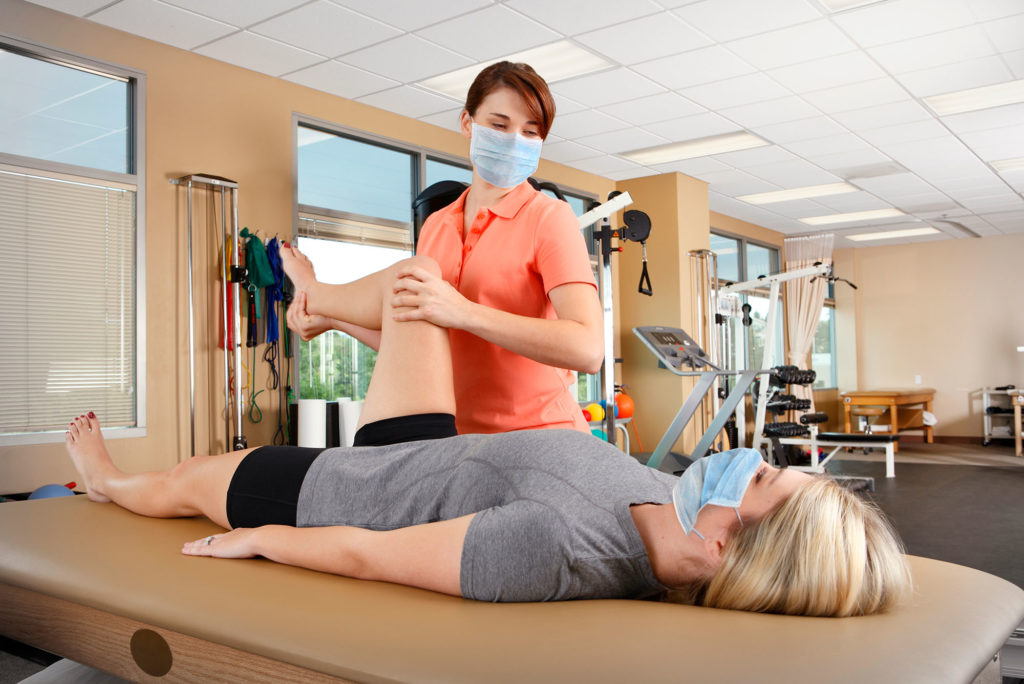
Recovering from a total knee replacement can feel overwhelming. But knee replacement physical therapy helps you heal safely and regain strength. After surgery, your knee feels stiff, swollen, and weak. PT gives you clear guidance and steady movement so you can return to daily life with confidence.
At Reform Physical Therapy, we help patients across Maine recover safely after knee replacement through one-on-one care that supports every stage of healing.
Why Knee Replacement Physical Therapy Is Essential After Surgery
After surgery, your knee is swollen, stiff, and weak — and that’s completely normal. But this also means the joint needs help learning how to move again. Physical therapy gives you a safe, structured way to rebuild strength, improve flexibility, and get your knee working the way it’s meant to.
During rehab, your therapist explains what’s normal and what needs attention. Many people feel surprised by how tight the knee feels at first or how hard it is to bend or straighten. Through guided exercises, gentle stretching, and hands-on techniques, your therapist slowly reduces stiffness. As your motion improves, you regain control of your knee, walk more smoothly, and move with less pain.less pain.
Think of PT as the bridge between surgery and getting your life back.
👉 What to Expect During Your First Week of Physical Therapy
What the First Weeks of Knee Surgery Recovery Usually Look Like
Week 1–2: Starting Knee Rehab With Gentle Motion and Pain Control
Right after surgery, most people notice that even small movements feel challenging. Your therapist will help you begin with simple exercises that focus on bending and straightening the knee, improving circulation, and reducing swelling.
It’s common to use a walker or cane during this time, and your therapist will show you exactly how to walk in a way that keeps the knee safe. Many patients also practice getting in and out of bed, standing from a chair, and using the stairs with support. These basic skills build the foundation for everything else that comes later.
Even though the motions are small in the beginning, they matter. Early movement helps protect your new joint and prevents long-term stiffness.
Week 3–6: Building Strength and Confidence Through Knee Replacement Physical Therapy
As swelling starts to go down and movement becomes easier, your therapist will challenge your muscles in new ways. This stage focuses on restoring strength in your quadriceps, hamstrings, and hips — the muscles that keep your knee stable and support your walking.
You’ll start taking longer walks, practicing the stairs, and working on balance. Many patients notice they can bend their knee farther, stand longer, and walk steadier. These changes often come gradually, but they’re signs that your body is healing and adapting to your new joint.
During this time, your therapist will help you understand which aches are normal and which ones may be a sign that something needs to be adjusted.
Week 6–12: Returning to Your Normal Daily Activities
By this stage, your knee feels stronger, and you may begin noticing major improvements in your daily life. Many people start walking without a device, driving again, and returning to work depending on their job. Your therapist will focus on the activities you care about most — whether that’s climbing stairs without hesitation, going on longer walks, gardening, or getting back into light exercise.
Therapy becomes more individualized during this stage. If balance is still difficult, your therapist works on that. If getting full motion is still challenging, they guide you through techniques to help loosen the joint safely. Every person’s recovery looks a little different, and your therapist will adjust your plan based on how your knee responds week by week.

How Long Knee Replacement Physical Therapy Typically Lasts
Most people recover for about 8–12 weeks, though some need more time depending on their health, activity level, and comfort. Your therapist will reassess your progress often and modify your exercises to help you keep improving.
The most important part is consistency. Even on days where your knee feels tired, gentle movement helps you stay on track.
👉 The Role of Physical Therapy in Post-Surgical Recovery
When Should You Start Physical Therapy?
Most surgeons prefer that their patients begin PT within a few days to one week after surgery. Early movement is a key piece of long-term success. Waiting too long can allow stiffness to set in, which can make recovery slower and more uncomfortable.
At Reform Physical Therapy, many of our clinics can see new post-surgical patients as soon as next week, which helps you begin rehab right away.
Why Many Patients Choose Reform Physical Therapy
Our clinicians work with knee replacement patients every single day, and we have strong relationships with many orthopedic surgeons throughout Southern Maine. Patients consistently choose our clinics because they receive care from the same licensed therapist at every visit, which means treatment stays focused and consistent.
Your therapist will follow your surgeon’s exact protocol and explain each step, so you always know why you’re doing certain exercises and how they help your knee heal. Our approach is calm, supportive, and designed to help you feel safe and confident throughout the entire process.
You’re never rushed. You’re guided.
👉 Recovering After Joint Replacement: Realistic Timelines & Tips
When to Reach Out to Your PT or Surgeon
Some discomfort is expected, but it’s important to reach out if you experience pain that gets worse instead of better, swelling that doesn’t go down, new redness or warmth, or difficulty putting weight on the leg. Your therapist can help determine if what you’re feeling is normal or if your surgeon needs to adjust part of your recovery plan.
Ready to Begin Your Knee Replacement Rehab?
If you’re preparing for or recovering from a total knee replacement, our team is here to help you move safely, regain strength, and return to the activities that matter most to you. Many patients can be seen within a week.
Your new knee deserves the right start — and we’re ready when you are.