


Why Joint Pain Gets Worse in Cold Weather (And What Helps)
Posted by: in Seasonal Wellness on February 2, 2026
If your joints feel stiff, achy, or sore every time the temperature drops, you’re not alone. Many people notice their pain gets worse during Maine’s colder months, especially those with arthritis, old injuries, or general stiffness. Cold weather doesn’t cause joint problems on its own, but it can make existing pain feel much stronger. Here’s why it happens and what you can do to feel better.
Why Cold Weather Joint Pain Happens
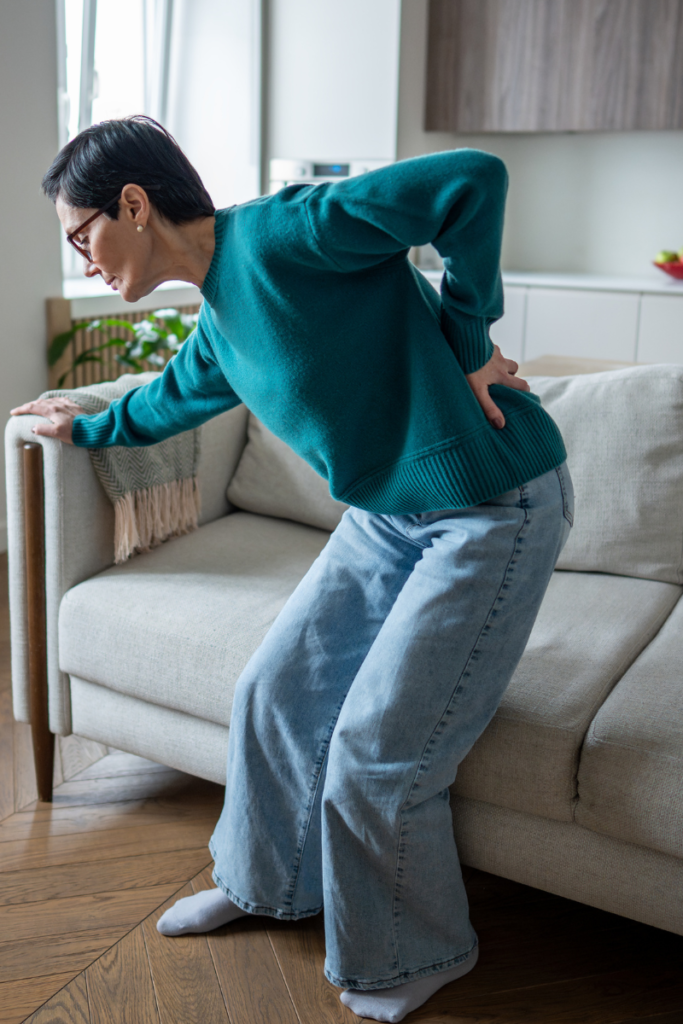
Cold temperatures naturally make the muscles around your joints tighten. When muscles stiffen, your joints lose some of their natural mobility. This creates more pressure and makes movements like walking, bending, and climbing stairs feel uncomfortable. One of the best ways to counter this is by warming up your body before heading outside. Gentle stretching, a warm shower, or a heating pad for a few minutes can help your muscles relax and improve how your joints move.
Changes in Air Pressure Increase Joint Sensitivity
When cold fronts move in, air pressure tends to drop. This change can slightly affect the tissues surrounding your joints. If you’ve had arthritis or an old injury, those tissues may be more sensitive, making you feel extra stiffness or discomfort. Moving your joints through easy, comfortable ranges of motion can help reduce this sensitivity. Staying active throughout the day keeps your joints lubricated and makes you feel more comfortable no matter what the weather is doing.
You Move Less in the Winter
Shorter days and freezing temperatures often mean less physical activity. When you move less, your joints stiffen, and the muscles that support them become weaker. This combination makes joint pain more noticeable. Even small bursts of movement can help—walking indoors, doing light stretches every hour, or trying low-impact activities such as yoga, gentle strength exercises, or a stationary bike. The key is keeping your joints from staying still for too long.
How Staying Warm Helps Reduce Cold Weather Joint Pain
Your joints work best when they’re warm. During winter, your body uses more energy to stay warm, which often leaves your hands, feet, knees, and other areas feeling stiff. Dressing in layers, wearing warm socks and gloves, and keeping your whole body insulated helps your joints feel more comfortable. Even simple things like using hand warmers outdoors or cozy socks inside can make a noticeable difference.
Old Injuries Feel Stiffer in the Winter
Scar tissue from past injuries doesn’t stretch or warm up as easily as healthy tissue. When it’s cold, this tightness becomes more obvious, making old injury sites feel sore or sensitive. Working on flexibility, improving overall mobility, and strengthening the muscles around older injuries can help reduce these flare-ups. A targeted physical therapy plan can make these areas more flexible and stable.
When Cold Weather Joint Pain Means You Should See a PT
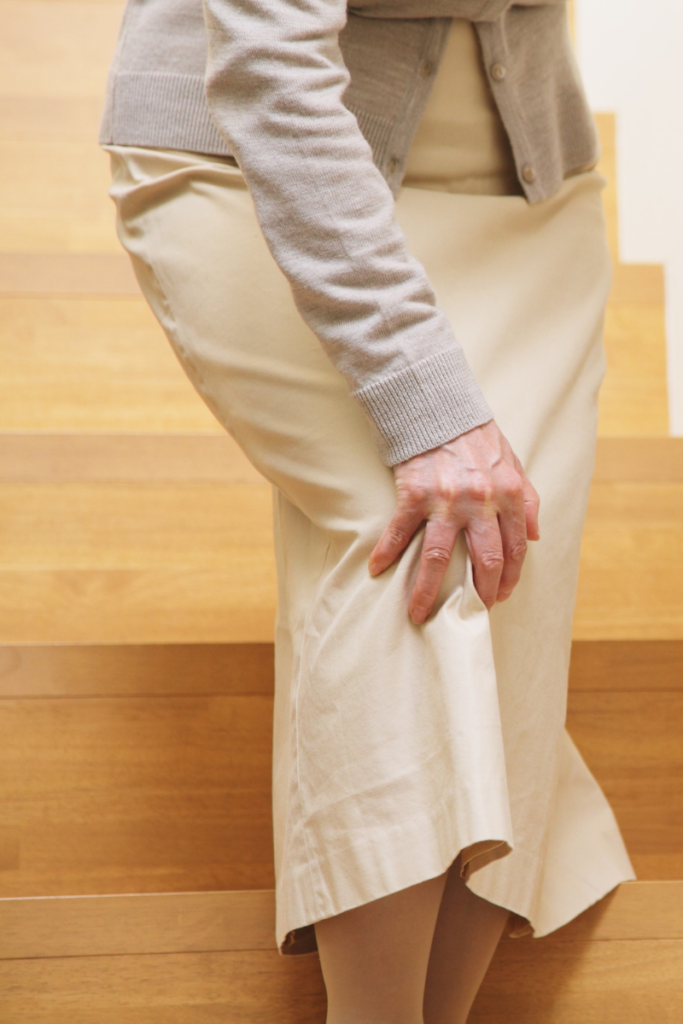
Cold weather may make joint pain more noticeable, but it shouldn’t interfere with your daily routine. You may benefit from physical therapy if you have pain that limits your movement, stiffness that doesn’t improve with gentle activity, or discomfort that comes back every winter. A physical therapist can look at how your joints move, how strong your supporting muscles are, and what habits may be contributing to your pain.
How Physical Therapy Helps Winter Joint Pain
Physical therapy can make a big difference during the colder months. A PT may use gentle warming techniques, stretching routines, and hands-on joint mobilization to help improve comfort. Strength training also plays a major role—stronger muscles protect your joints and help them move with less strain. Your therapist will also teach you the right exercises to do at home so you can stay active, flexible, and comfortable all season long.
If cold weather is making your joint pain worse, our physical therapists can help. Reach out to your nearest Reform Physical Therapy clinic to feel better this winter.
RELATED BLOG POSTS:
- Why One-on-One Physical Therapy Matters More Than Ever
- What Is Cupping Therapy and How Does It Help?
- What Conditions Does Physical Therapy Treat?