


Pelvic Floor Physical Therapy Is Not Just for Postpartum
Posted by: Reform Physical Therapy in Services / Specialized Care on January 18, 2026
Pelvic floor physical therapy is often talked about in relation to pregnancy and postpartum recovery. While it can be incredibly helpful during that time, pelvic floor care is not limited to new moms. In reality, pelvic floor issues can affect people of all ages and activity levels. Pelvic floor care supports how the body moves, stabilizes, and manages pressure. When these muscles aren’t functioning well, symptoms can show up in everyday life — often in ways people don’t immediately connect to the pelvic floor.
Why the Pelvic Floor Matters Beyond Pregnancy
The pelvic floor works with the core, hips, and spine to support movement and control. These muscles help manage pressure during activities like lifting, exercising, coughing, or even standing for long periods. When the pelvic floor is weak, tight, or not coordinating properly, the body may compensate in ways that lead to discomfort, pain, or loss of control. Pelvic floor physical therapy helps restore balance so movement feels more supported and confident.
According to the American Physical Therapy Association, pelvic floor physical therapy helps improve muscle coordination, control, and overall movement function for people at many stages of life.
Pelvic Floor PT for Active Adults
Athletes and active adults often put repeated stress on the pelvic floor without realizing it. Running, lifting, jumping, and high-impact exercise all increase pressure through the core and pelvis. Pelvic floor care can help active individuals improve strength, coordination, and control so they can train and move with confidence — without fear of leaking, pain, or instability.

Pelvic Floor Care for Men
Pelvic floor physical therapy isn’t only for women. Men can experience pelvic floor dysfunction related to back pain, hip pain, core weakness, urinary changes, or post-surgical recovery. Pelvic floor PT helps address these concerns in a professional, respectful setting focused on movement, strength, and function.
Pelvic Floor PT for Chronic Tension or Pain
Some people experience pelvic pain, tailbone discomfort, or deep hip tightness without a clear cause. In many cases, overly tight pelvic floor muscles or poor coordination contribute to these symptoms. Pelvic floor physical therapy helps reduce tension, improve mobility, and restore comfortable movement patterns over time.
Pelvic Floor Changes Can Happen Gradually
Pelvic floor symptoms don’t always appear suddenly. They may develop slowly with age, stress, changes in activity, or prolonged sitting. Many people assume these changes are just part of life and don’t realize help is available. Pelvic floor physical therapy offers a proactive way to address these concerns before they become more disruptive.
What Pelvic Floor Physical Therapy Looks Like
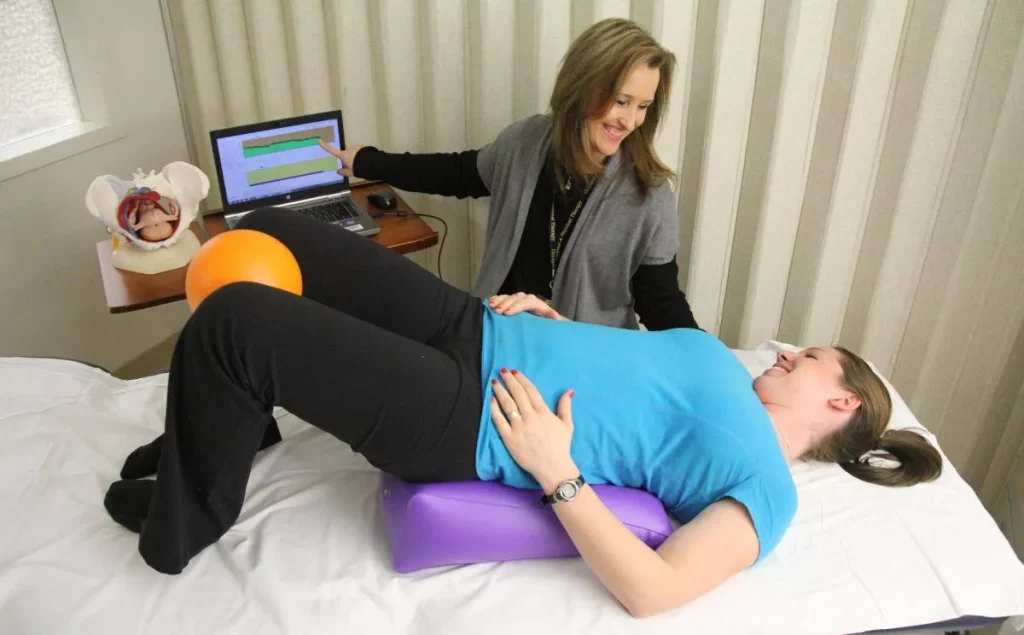
Pelvic floor PT begins with a conversation. Your therapist takes time to understand your symptoms, goals, and daily activities. Treatment plans are personalized and always explained clearly. Care may include breathing strategies, gentle strengthening, posture work, and education to help you understand how your body works together. Everything is guided by your comfort level.
Why Pelvic Floor Care Should Feel Approachable
Pelvic floor health is an important part of overall movement and well-being. It shouldn’t feel embarrassing, rushed, or intimidating to talk about. At Reform Physical Therapy, pelvic floor care is provided with professionalism, respect, and one-on-one attention. Our goal is to help patients feel informed, supported, and confident throughout their care. Pelvic floor care can help people who experience changes in control or discomfort.
If something feels off and you’re not sure where to start, pelvic floor physical therapy may help — no matter your age or stage of life. Contact Reform Physical Therapy to learn more or schedule an evaluation.
RELATED BLOG POSTS:
- Why One-on-One Physical Therapy Matters More Than Ever
- When to See a Physical Therapist
- What Conditions Does Physical Therapy Treat?
- What Happens During Your First Physical Therapy Visit?