

Physical Therapy vs Rest: When Movement Is Better
Posted by: Reform Physical Therapy in Patient Education on December 26, 2025
When pain or injury shows up, many people assume rest is the best solution. Taking it easy can feel like the safest option, especially when movement hurts. While rest does play an important role in healing, too much rest can actually slow recovery. Understanding the difference between physical therapy vs rest can help you make better decisions about your health. In many cases, guided movement through physical therapy leads to faster healing, less pain, and better long-term results.

Physical Therapy vs Rest: Why Rest Is Often Recommended First
Rest is helpful in the early stages of an injury. Acute injuries like sudden strains, sprains, or swelling often need a short period of rest to allow inflammation to settle. During this time, avoiding painful movement can help protect the injured area. The problem happens when rest lasts too long. Extended rest can cause muscles to weaken, joints to stiffen, and movement patterns to change. This can make it harder to return to normal activity.
Physical Therapy vs Rest: When Too Much Rest Can Slow Recovery
The body is designed to move. When movement is avoided for long periods, circulation decreases and muscles lose strength. Joints may become stiff, and balance can decline. Over time, pain may actually increase instead of improve. Many people feel stuck in a cycle of resting, trying to move, and feeling pain again. This is often where physical therapy becomes helpful.
Movement vs Rest: How Physical Therapy Supports Healing
Movement helps bring blood flow, oxygen, and nutrients to injured tissues. Gentle, guided movement encourages healing while maintaining strength and flexibility. Physical therapy focuses on safe, controlled movement that supports recovery without causing harm. Instead of avoiding movement completely, therapy helps the body relearn how to move correctly.

Physical Therapy vs Rest: What’s the Difference?
Rest avoids movement to prevent pain, while physical therapy uses movement as part of the healing process. Physical therapists understand how much movement is safe and when to introduce it. Rather than pushing through pain or staying inactive, physical therapy finds the right balance. This approach helps reduce pain while restoring strength, mobility, and confidence.
Signs It May Be Time to Move Instead of Rest
If pain has lasted more than a couple of weeks, returns often, or limits daily activities, rest alone may not be enough. Difficulty walking, lifting, reaching, or balancing can be signs that guided movement is needed. Pain that improves slightly but never fully goes away is another sign. Physical therapy can help address the underlying issue instead of masking symptoms.
How Physical Therapy Guides Safe Movement
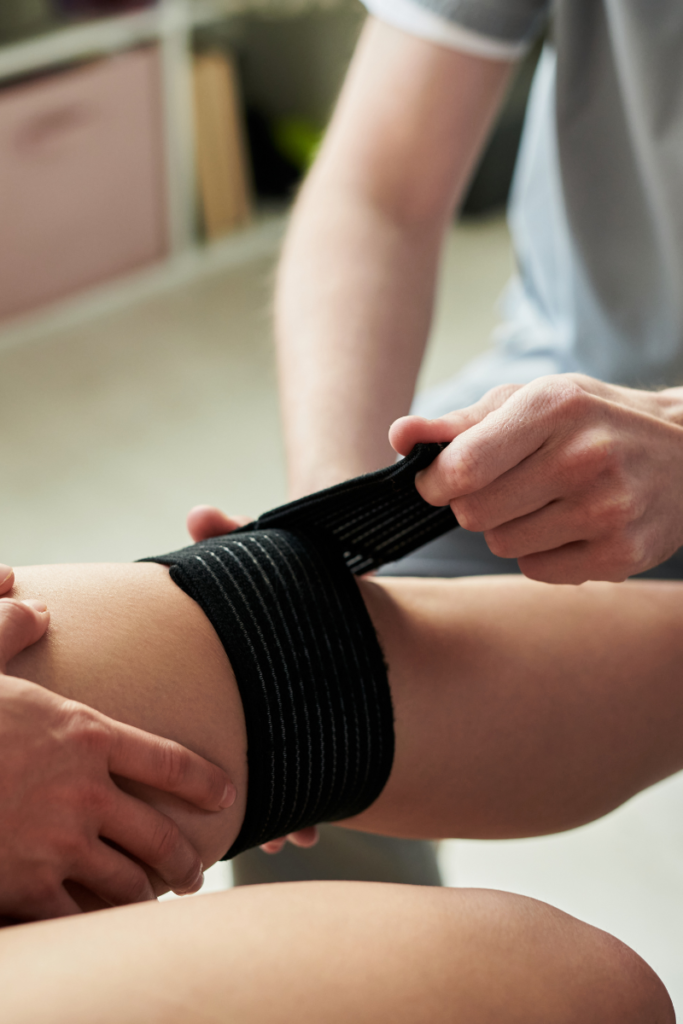
Physical therapy begins with an evaluation to understand how your body moves and where limitations exist. A therapist identifies weak areas, stiffness, or poor movement patterns contributing to pain. From there, a personalized plan is created. Exercises, hands-on care, and education are used to improve movement safely and gradually. This approach helps prevent setbacks and future injuries.
When Rest Is Still Important
Rest still has a place in recovery. Severe injuries, sudden swelling, or intense pain may require short-term rest before starting movement. Physical therapists help determine when it is safe to begin moving again. The key is knowing when to transition from rest to movement. Too much of either can delay healing.
How Reform Physical Therapy Helps
At Reform Physical Therapy, we focus on helping patients move safely and confidently. Our one-on-one approach ensures care is tailored to your specific needs and goals. Whether you are unsure if you should rest or move, physical therapy can provide clarity and guidance. Our goal is to help you recover efficiently and stay active long-term.

Not sure whether rest or physical therapy is right for you?
Contact Reform Physical Therapy to schedule an evaluation and learn how guided movement can support your recovery.