


How Pelvic Floor Dysfunction Can Cause Back, Hip, and Core Pain
Posted by: Reform Physical Therapy in Health & Wellness on March 31, 2026
Pelvic floor dysfunction pain can cause discomfort in the lower back, hips, abdomen, and core muscles, even though many people do not realize the pelvic floor is involved. The pelvic floor muscles work together with the hips, spine, and core to support the body during everyday movement. When these muscles are weak, tight, or not working correctly, pelvic floor dysfunction pain can affect how the whole body moves and feels. Pelvic floor dysfunction can lead to lower back pain, hip tightness, core weakness, and difficulty with daily activities. Because these muscles are part of the body’s support system, problems in the pelvic floor can create pain in other areas that may not seem related.
Physical therapy can help identify these issues and improve how the muscles work together so the body feels stronger and more comfortable.
How the Pelvic Floor Connects to the Core
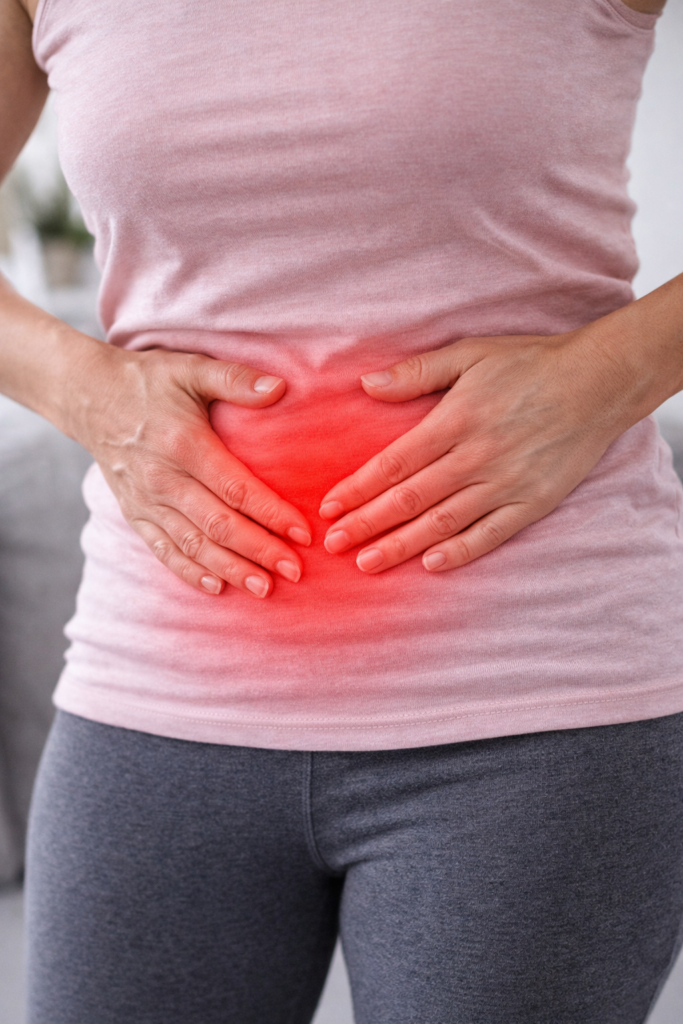
The pelvic floor is part of the body’s core system. The core includes the abdominal muscles, back muscles, diaphragm, and pelvic floor. These muscles work together to support the spine and keep the body stable during movement. When one part of the core is weak or tight, the other muscles have to work harder to make up for it. This can lead to strain in the lower back, hips, or abdomen.
If the pelvic floor is not working properly, the body may lose stability, which can make simple activities feel harder than they should.
Why Pelvic Floor Problems Can Cause Back Pain
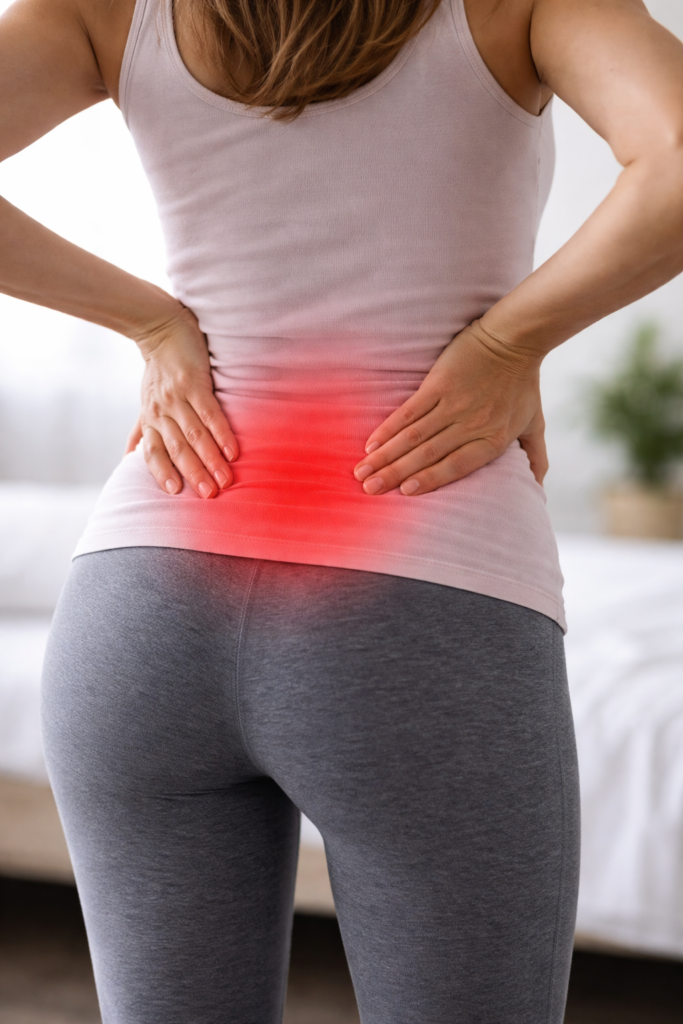
Lower back pain is one of the most common problems related to pelvic floor dysfunction. The pelvic floor helps support the pelvis and spine, so when these muscles are weak or not coordinated, extra stress can be placed on the lower back. Some people notice back pain when standing for long periods, lifting, or exercising. Others feel stiffness that does not improve even with stretching.
In many cases, the problem is not just the back itself, but how the core and pelvic floor are working together.
Hip Pain and Pelvic Floor Dysfunction
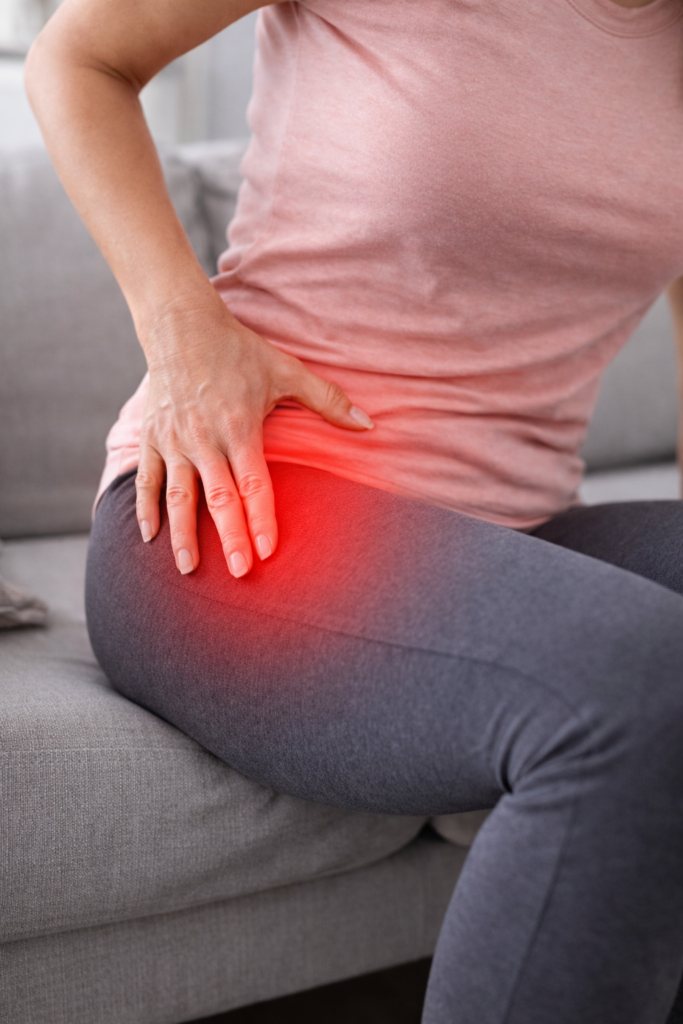
The pelvic floor muscles attach near the hips, so tightness or weakness in this area can affect hip movement. This may cause discomfort when walking, sitting, or changing positions. People with pelvic floor dysfunction sometimes feel pain deep in the hip, groin, or pelvis. This can be mistaken for a hip joint problem when the real cause is muscle imbalance. Improving pelvic floor function can help the hips move more freely and reduce stress on the joints.
How Core Weakness Is Related to Pelvic Floor Problems
The pelvic floor plays an important role in core strength. When the pelvic floor does not activate correctly, the body may rely on other muscles for support. This can lead to poor posture, fatigue, and pain with activity. Some people feel weak during exercise, while others notice discomfort when lifting, bending, or standing for long periods. Physical therapy can help retrain the muscles, so the core works as a complete system instead of individual parts.
According to the American Physical Therapy Association, pelvic floor therapy can improve stability, reduce pain, and help the body move more efficiently.
How Physical Therapy Helps Pelvic Floor Dysfunction
Pelvic floor physical therapy focuses on improving coordination, strength, and flexibility. Treatment may include exercises, breathing techniques, posture training, and movement education. In some cases, the muscles need strengthening, while in others they need to relax. A therapist can determine what the body needs and creates a plan that fits each patient.
Because the pelvic floor works with the hips and spine, treatment often improves pain in multiple areas at the same time.
Pelvic Health Treatment at Reform Physical Therapy
At Reform Physical Therapy, pelvic health treatment is provided in a private and comfortable setting. Our therapists work one on one with patients to understand their symptoms and how they affect daily life. Treatment focuses on helping the body move better as a whole, not just treating one area. Improving pelvic floor function can reduce pain, improve stability, and make everyday activities feel easier.
If you have ongoing back, hip, or core pain that has not improved, the pelvic floor may be part of the problem.
Pelvic floor dysfunction can affect more than bladder control. Because these muscles are part of the core, problems in the pelvic floor can lead to back pain, hip discomfort, and weakness with movement. Physical therapy can help restore strength and coordination so the body works the way it should. When the core muscles work together, everyday activities feel easier and less painful.
If you have been dealing with ongoing pain that does not seem to have a clear cause, pelvic floor physical therapy may help. Give us a call and get scheduled today!