


Can Physical Therapy Help Pain Years After an Injury?
Posted by: in Chronic Pain on January 26, 2026
If you’re still dealing with pain years after an injury, you’re not alone. Many people assume that once enough time has passed, lingering pain is something they just have to live with. Physical therapy for old injuries can help reduce long-term pain, improve movement, and restore function—even years after the original injury occurred.
Why Pain Can Last Years After an Injury
Pain doesn’t always disappear when tissues heal. After an injury, the body may compensate by changing how it moves. Muscles may weaken, joints may stiffen, and posture can shift to avoid discomfort. Over time, these changes can place extra stress on the body and keep pain going. The nervous system can also become more sensitive after an injury. When pain sticks around, the brain may continue sending pain signals even when there’s no new damage. This is why pain can linger months or years later.
How Physical Therapy Helps Old Injuries

Physical therapy focuses on how your body moves today—not just what happened in the past. Even if an injury is years old, a physical therapist can identify movement patterns, weaknesses, and habits that may still be contributing to pain.
Improving Movement After an Old Injury
Limited mobility is common after an injury, especially if certain movements were avoided for a long time. Physical therapy helps restore joint motion, flexibility, and coordination so your body can move more efficiently and with less strain.
Strengthening Areas Affected by Past Injuries
Old injuries often leave behind muscle imbalances or weakness. Targeted strengthening helps support joints, reduce stress on sensitive areas, and improve overall stability. As strength improves, everyday activities often feel easier and less painful.
Calming the Nervous System After Long-Term Pain
When pain has been present for a long time, the nervous system may stay in a heightened state of alert. Physical therapy uses gradual movement, education, and reassurance to help calm this response. Over time, this can reduce pain sensitivity and improve confidence in movement.
Common Old Injuries Physical Therapy Can Help
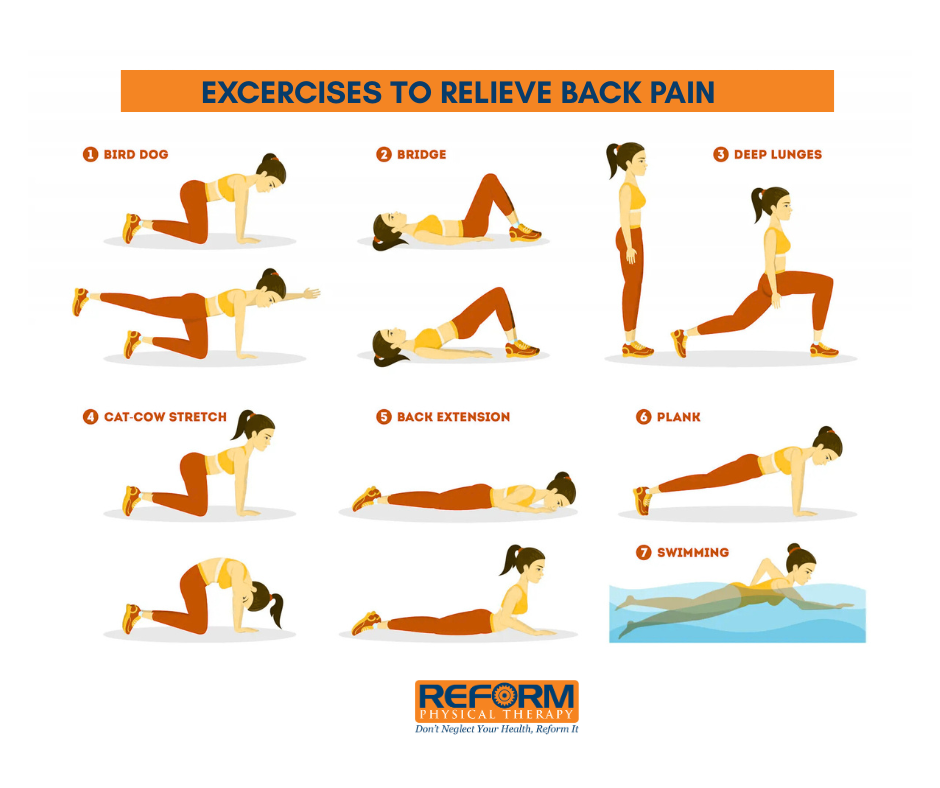
Physical therapy can help with pain related to many past injuries, including:
- Old back or neck injuries
- Shoulder injuries from sports or work
- Knee injuries or past surgeries
- Ankle injuries and recurring sprains
- Repetitive strain injuries
- Injuries that never fully regained strength or mobility
Even if imaging looks “normal,” pain can still be influenced by movement patterns and muscle function.
When It’s Not “Too Late” for Physical Therapy
It’s almost never too late to benefit from physical therapy. The body is adaptable at any age, and improvements in strength, mobility, and movement habits can happen years after an injury. Many people are surprised by how much better they feel once they start moving in a more supportive way. Progress may be gradual, but small changes often lead to meaningful improvements over time.
What to Expect When Starting Physical Therapy Years Later
Your first visit typically includes a detailed conversation about your injury history, current pain, and daily activities. Your physical therapist will assess how you move and create a personalized plan based on your goals. Treatment may include exercises, hands-on therapy, posture or movement training, and education to help you understand your pain and feel more confident in your body.
Is Physical Therapy Worth Trying for Old Injury Pain?
If pain has been limiting your life—even years after an injury—physical therapy is often worth exploring. Rather than focusing on what went wrong in the past, physical therapy looks at what your body needs now to move better and feel stronger.
Pain doesn’t have to define your future. With the right approach, many people find relief, improved movement, and renewed confidence—no matter how long ago the injury occurred.
RELATED BLOG POSTS
- How Physical Therapy Helps Chronic Pain
- Physical Therapy vs Medication
- Physical Therapy vs Chiropractic Care