

What Conditions Does Physical Therapy Treat?
Posted by: in Patient Education on December 30, 2025
Many people are unsure whether physical therapy can help with their specific pain or condition. Some assume PT is only for athletes or major injuries, while others think they need a referral before getting help. The truth is that physical therapy treats a wide range of conditions that affect your muscles, joints, nerves, and overall movement. Understanding the conditions physical therapy treats can help you decide when it may be time to seek care and how PT can support long-term health, comfort, and mobility.

Back and Neck Pain: Common Conditions Physical Therapy Treats
Back and neck pain are some of the most common reasons patients seek physical therapy. These conditions can come from poor posture, muscle strain, joint stiffness, or even work habits. Physical therapy helps reduce pain by improving strength, mobility, and movement patterns. Treatment can also prevent long-term issues and reduce the chance of recurring pain.
Upper Body Pain: Conditions Physical Therapy Treats
Pain in the upper body can make simple tasks like reaching, lifting, typing, or carrying items more difficult. Shoulder injuries, tennis elbow, and wrist strain are all conditions physical therapy treats regularly.
Therapists guide patients through exercises that improve strength, mobility, and proper movement, helping reduce pain and restore function.

Lower Body Pain: Conditions Physical Therapy Treats
Lower-body pain can affect your ability to walk, climb stairs, stand for long periods, or stay active. Physical therapy helps improve joint function, correct movement patterns, and strengthen supporting muscles. Common conditions include arthritis, runner’s knee, hip mobility issues, and ankle sprains.
Balance Problems and Fall Risk
Feeling unsteady or experiencing balance problems is an important sign to seek help. Physical therapy uses strength training, balance exercises, and movement strategies to reduce fall risk and improve confidence with daily activities. Balance training is especially helpful for older adults and people recovering from injury or illness.
Post-Surgical Recovery
After surgery, physical therapy plays a key role in helping patients regain movement, strength, and function. Treatment helps reduce stiffness, prevent complications, and support safe recovery. Whether you’ve had a joint replacement, orthopedic procedure, or soft-tissue surgery, physical therapy helps guide your healing.
Sports Injuries
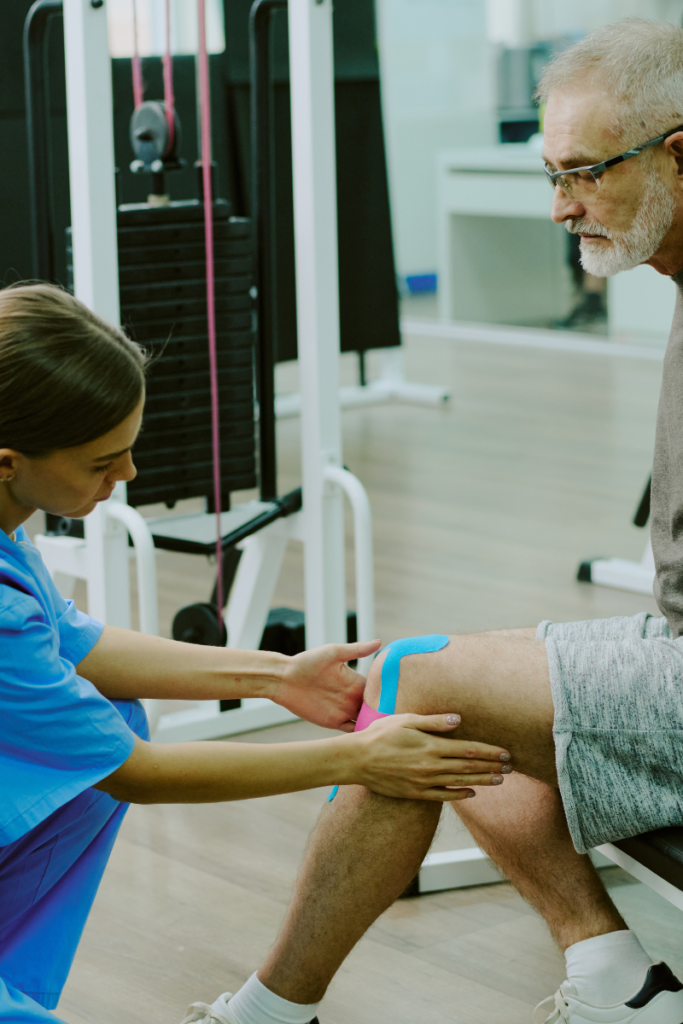
Physical therapy is a valuable resource for athletes of all ages. Sprains, strains, overuse injuries, and performance-related issues can all improve with guided exercise, movement retraining, and strengthening. PT not only helps athletes recover but also reduces the risk of future injuries.
Long-Term Conditions Physical Therapy Can Treat
Conditions like arthritis, chronic back pain, tendonitis, and persistent muscle tension can benefit from physical therapy. PT focuses on improving strength, flexibility, and movement, helping patients manage long-term pain and stay active.
Work-Related Pain or Repetitive Strain
Sitting for long hours, lifting heavy objects, or doing repetitive tasks can lead to pain in the neck, back, shoulders, or wrists. Physical therapy helps reduce work-related pain and teaches safer, more comfortable movement patterns.
Nerve Pain or Mobility Issues
Conditions such as sciatica or nerve irritation can cause pain, numbness, or weakness. Physical therapy helps improve posture, increase strength, and reduce pressure on irritated nerves. For people with mobility issues, PT provides tools and exercises to make daily tasks easier and safer.
How Physical Therapy Helps With These Conditions
Physical therapy combines movement, strengthening, stretching, and education to support healing and improve function. Each treatment plan is personalized, ensuring care matches your needs, goals, and lifestyle. By addressing the root cause of symptoms—not just the pain itself—physical therapy helps patients recover more fully and maintain long-term improvements.

Not sure if physical therapy can help your condition? Contact Reform Physical Therapy to schedule an evaluation and learn how PT can support your recovery and movement goals.