


The Hidden Way Cold Weather Impacts Joint Fluid — And How to Protect Your Knees This Winter
Posted by: in Joint Health, Knee Pain, Seasonal Tips, Winter Wellness on December 4, 2025
Winter knee pain is extremely common in Maine, especially once temperatures start to drop. Many people notice more stiffness, soreness, or swelling throughout the season, but most don’t understand the real reason behind it. Much of this discomfort comes from the way cold weather changes the fluid inside your joints. This post breaks down the science in simple terms and explains what you can do to keep your knees feeling strong all winter.
Why Winter Knee Pain Gets Worse in Cold Weather
Inside every joint, including your knees, you have synovial fluid. It works like oil in a machine by allowing your joints to glide smoothly. When the temperature drops, the fluid becomes thicker and moves less easily. Your muscles also tend to tighten up, and blood flow slows down in cold weather. All of these changes create a heavier, stiffer feeling in your knees. If you have arthritis, an old injury, or chronic inflammation, these cold-weather effects can feel even more intense.
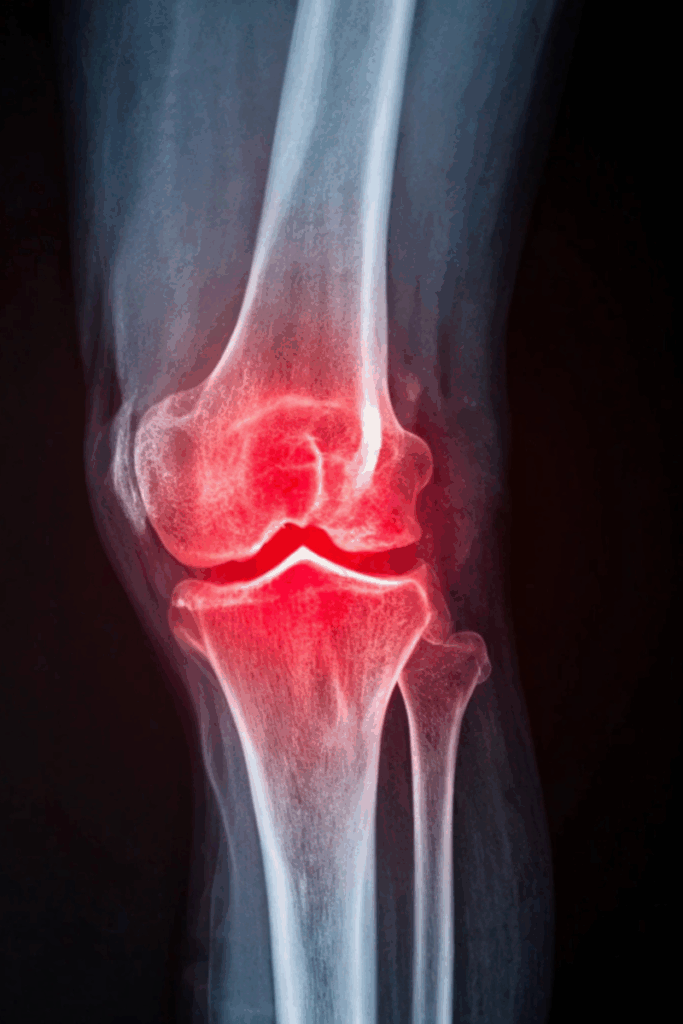
How Cold Weather Changes the Fluid Inside Your Joints
Your knees are involved in almost everything you do, from walking and climbing stairs to getting in and out of the car. When joint fluid thickens in the cold, movement becomes harder and less smooth. Many people notice that their knees feel stiff when they first stand up, take longer to warm up during activity, or become sore after sitting for long periods. You might even notice more clicking or popping. If you already live with arthritis, the cold can trigger stronger inflammation, making everyday movement feel more uncomfortable.

Ways to Keep Your Knees Comfortable This Winter
One of the easiest ways to reduce winter knee pain is to warm up your joints before moving. Even a few minutes of light activity increases blood flow and helps the fluid in your joints loosen up again. Dressing warmer than you think you need to also makes a big difference because warmer muscles move more comfortably. Staying active during the winter months helps keep the synovial fluid from thickening too much, so gentle movement like indoor walking, stretching, or yoga can ease stiffness. Using heat before activity can relax the muscles around your knees, and building strength in your thighs and hips gives your knees more support.

When Knee Pain in Winter Needs Professional Care
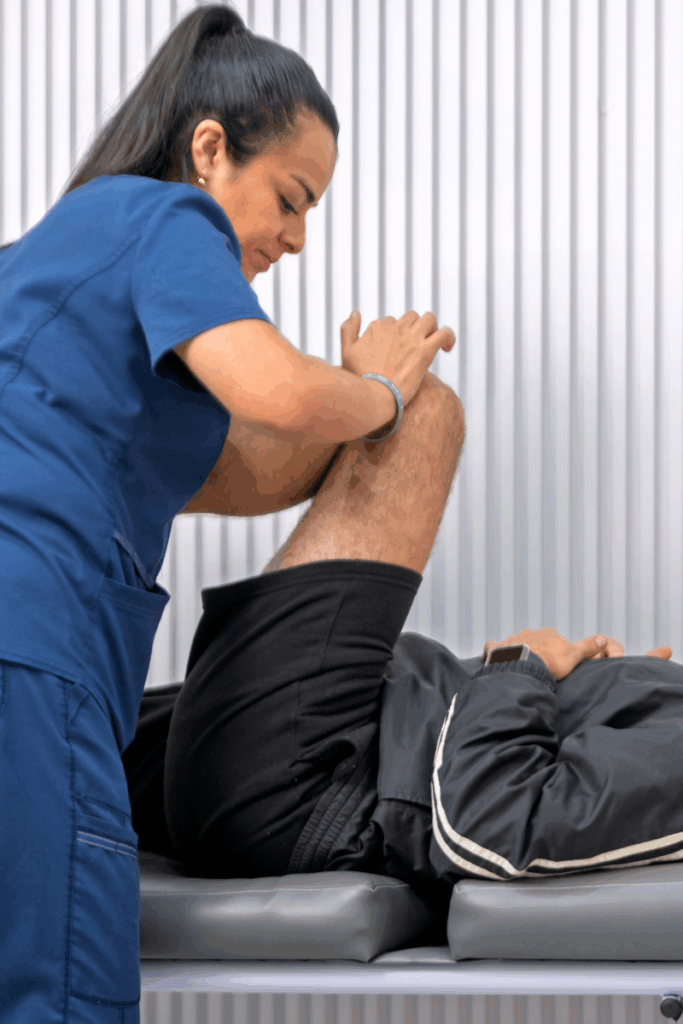
If your knee pain sticks around for more than a week, is affecting your daily life, or makes winter feel harder than it should, it may be time to see a physical therapist. At Reform Physical Therapy, we help patients reduce stiffness, improve mobility, build strength, and return to daily movement with more confidence. Every location—from Topsham to Eliot—offers personalized care to help you manage winter joint pain and stay active in a safe way.
Final Thoughts on Staying Active All Season
Cold weather doesn’t have to take over your winter. With the right habits and the right support, your knees can stay flexible, strong, and comfortable even on the coldest days. If your knee pain is slowing you down this winter, reach out to the Reform Physical Therapy clinic closest to you. Our therapists will help you understand what’s causing your pain, create a plan that works for your daily life, and guide you toward lasting relief. You don’t have to push through discomfort—schedule an appointment today and start feeling better with expert support.