

What Is Dry Needling, Who Can Benefit, and How It Helps
Posted by: in Physical Therapy Treatments on May 8, 2026
Dry needling is one of those treatments that can sound a little intimidating at first, mostly because people hear the word “needling” and immediately think it is going to feel scary or intense. But for many patients, dry needling benefits include being a helpful part of physical therapy because it targets tight, irritated muscles that may be contributing to pain, stiffness, or limited movement.
It is not a magic fix, and it is not used by itself. Dry needling works best when it is part of a full physical therapy plan that also includes movement, strengthening, mobility work, and education. At Reform Physical Therapy, dry needling may be used when a muscle is holding too much tension, not relaxing well, or limiting how your body moves.
What Is Dry Needling?
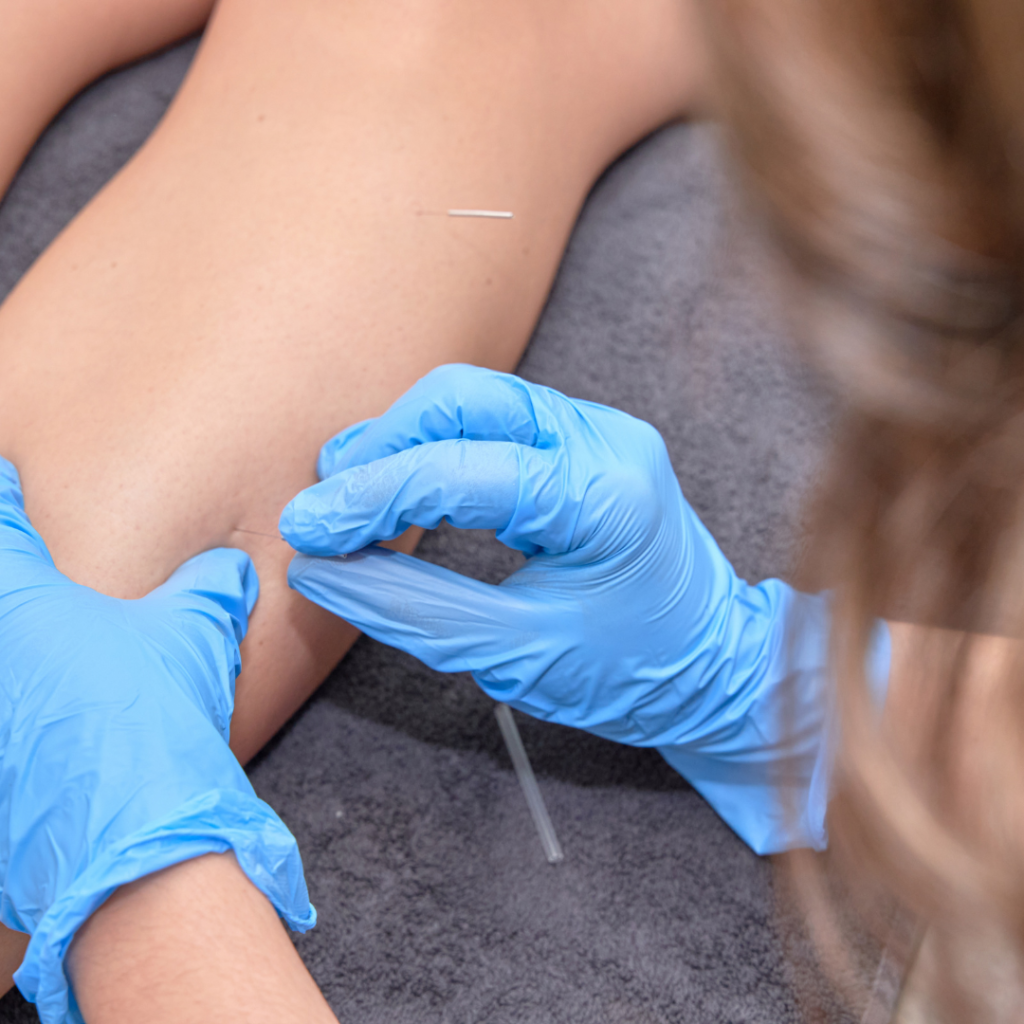
Dry needling is a treatment technique used by trained physical therapists to help treat muscle pain and movement problems. It involves placing a very thin, sterile needle into specific areas of muscle tissue, often called trigger points. These are tight, sensitive spots in the muscle that can cause pain, stiffness, or discomfort. The Cleveland Clinic describes trigger points as knotted, tender areas in the muscle that can also cause pain in another part of the body, known as referred pain.
The word “dry” simply means nothing is being injected into the body. There is no medication, fluid, or solution involved. The needle is used to stimulate the tissue and encourage a change in how the muscle is behaving. When the needle reaches the irritated area, the muscle may briefly twitch or release. This response can help reduce tension, improve blood flow, decrease pain, and allow the muscle to move more normally.
How Dry Needling Helps With Pain and Muscle Tightness
Muscles are supposed to contract and relax. When they are working well, they support your joints, help you move smoothly, and absorb stress from everyday activity. But sometimes a muscle gets stuck in a state of tension. This can happen after an injury, from overuse, from poor posture, from stress, or from repeated movement patterns. When this happens, the muscle may feel tight, sore, weak, or restricted.
Dry needling helps by targeting the muscle directly. When a trigger point is treated, it can help calm the irritated tissue and improve how the muscle functions. ChoosePT, the American Physical Therapy Association’s patient education site, explains that dry needling is often used as part of a larger treatment plan and may help relieve pain, improve range of motion, reduce muscle tension, and support return to active rehab.
That last part matters. The goal is not just to feel better for a day. The goal is to help the muscle relax enough so you can move better, strengthen properly, and continue making progress.
Who Can Benefit?
Dry needling can be helpful for many people, especially those dealing with muscle pain, tightness, or movement limitations that are not improving with stretching alone. It may benefit people with neck pain, shoulder pain, low back pain, hip tightness, knee pain, calf tightness, headaches related to muscle tension, sports injuries, overuse injuries, and general muscle stiffness. It can also be helpful for people who feel like they have a “knot” that keeps coming back no matter how much they stretch, massage, or foam roll.
For example, someone with shoulder pain may have tight muscles around the shoulder blade that are limiting motion. Someone with low back pain may have irritated muscles in the hips or glutes that are contributing to discomfort. Someone with headaches may have tension in the neck and upper traps that is feeding into their symptoms. Dry needling is not for everyone, which is why an evaluation matters. Your physical therapist looks at your symptoms, your movement, your medical history, and your goals before deciding if it is appropriate.
What Conditions Can It Help With?
Dry needling is commonly used for neuromusculoskeletal pain, which is pain related to nerves, muscles, bones, joints, and movement. The American Physical Therapy Association describes dry needling as a skilled intervention used by physical therapists to treat neuromusculoskeletal pain and movement impairments.
Some conditions where dry needling may be considered include muscle strains, tendon related pain, myofascial pain, tension headaches, neck stiffness, rotator cuff related pain, sciatica related muscle guarding, hip and glute pain, plantar fasciitis related calf tightness, and pain from repetitive strain. It is important to remember that dry needling does not “cure” these conditions by itself. It helps reduce the muscle tension or pain that may be keeping your body stuck in a cycle. Then physical therapy helps rebuild strength, restore mobility, and improve movement patterns.
What Does Dry Needling Feel Like?
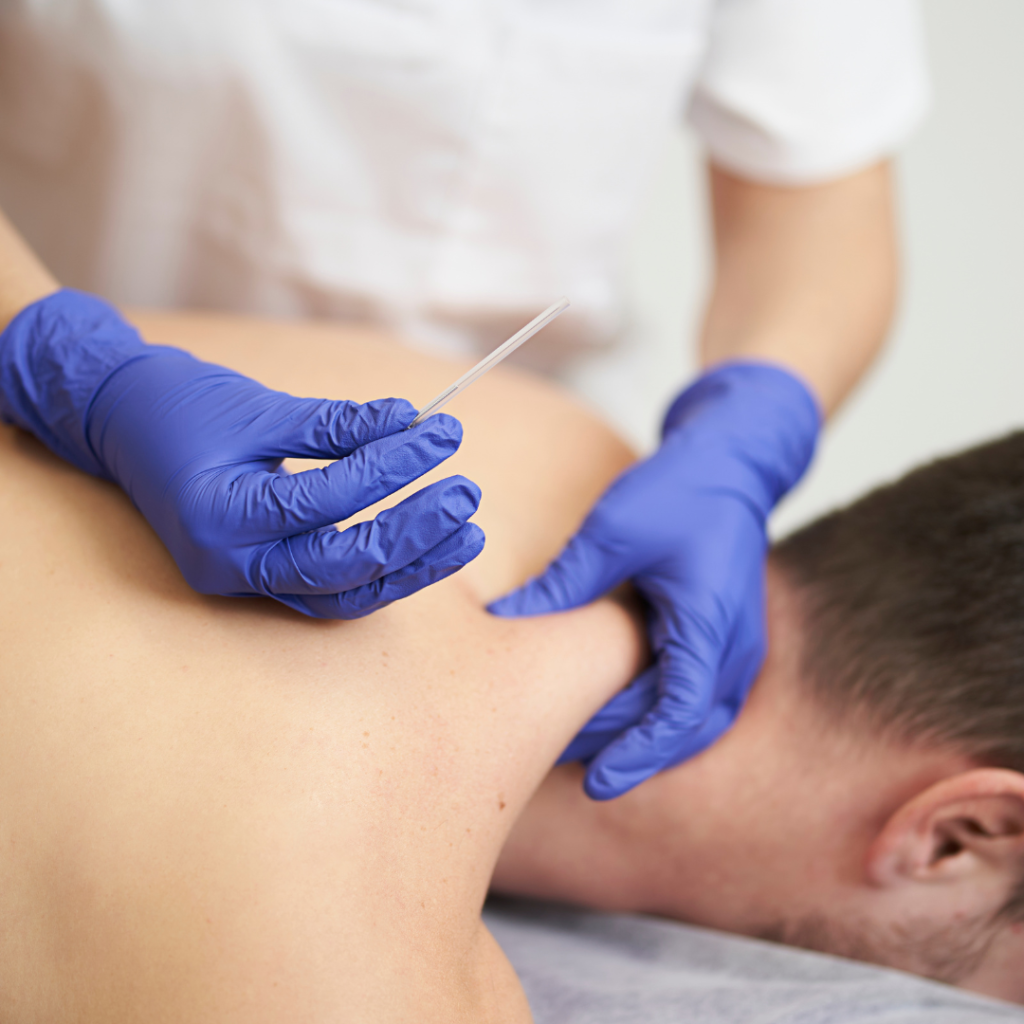
Most people are surprised by how quick the treatment is. You may feel a small pinch as the needle goes in, but many people barely feel the needle itself. What you may notice more is a deep ache, pressure, or quick muscle twitch. That twitch response can feel strange, but it is often the sign your therapist is targeting the right area.
After treatment, the area may feel sore, similar to how you feel after a workout. This soreness usually improves within a day or two. Some people feel looser right away, while others notice improvement after the soreness settles. Your physical therapist will usually give you guidance after treatment, which may include drinking water, moving gently, avoiding overly intense activity for the rest of the day, and following any specific exercises that support the treatment.
Why Dry Needling Is Not the Same as Acupressure
Dry needling and acupressure are often confused because both involve specific points on the body. But they are very different. Dry needling is based on modern anatomy, muscle function, trigger points, and movement science. It uses a thin needle to target irritated muscle tissue directly. The goal is to reduce muscle tension, improve mobility, and support better movement.
Acupressure does not use needles. It uses hands, fingers, elbows, or tools to apply pressure to specific points on the body. Acupressure is rooted in traditional Chinese medicine and is often described as working with energy pathways or meridians. The National Center for Complementary and Integrative Health provides information on complementary health approaches in the context of whole-person health. So, the biggest differences are the tool, the purpose, and the framework.
Dry needling uses needles and focuses on muscle tissue and movement problems. Acupressure uses pressure and is based on traditional point systems. Both may be used for discomfort, but they are not the same treatment.
Dry Needling vs Acupuncture
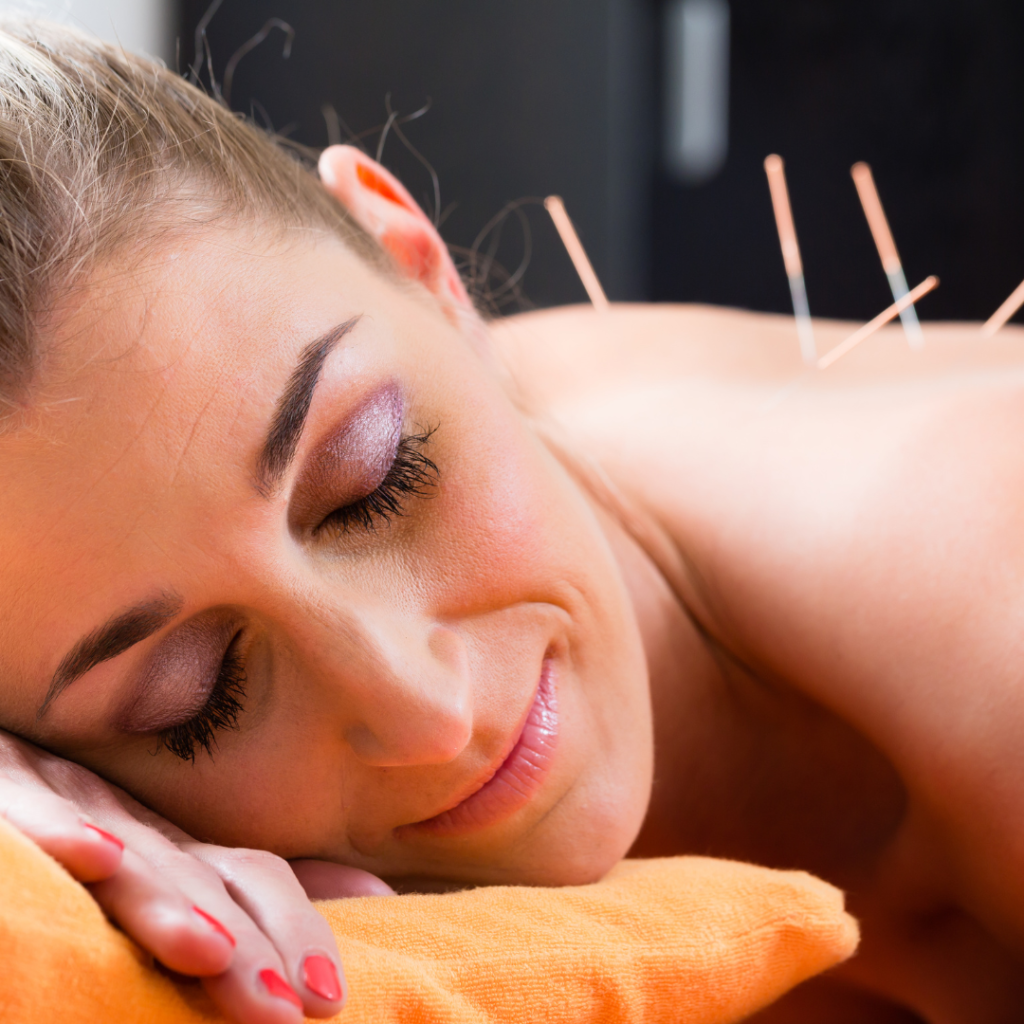
Dry needling is also commonly compared to acupuncture. They may look similar because both use thin needles, but they are not the same. Acupuncture is part of traditional Chinese medicine and is based on placing needles along specific points connected to energy flow. Dry needling is performed from a physical therapy and anatomy-based perspective. The therapist is looking at muscles, trigger points, pain patterns, mobility restrictions, and how the body moves.
A simple way to explain it is this: acupuncture focuses on traditional meridian points, while dry needling focuses on muscle and movement dysfunction.
Why Dry Needling Works Best With Exercise
This is the part patients really need to understand. Dry needling can help open a window of relief, but what you do with that window matters. If a tight muscle releases but you go right back to the same movement pattern, the issue can return. That is why physical therapy pairs dry needling with exercise and movement retraining.
After dry needling, your therapist may guide you through mobility work, strengthening, posture adjustments, or functional movements. This helps your body learn how to use that improved mobility in a better way. For example, if your hip muscles are tight and contributing to low back pain, dry needling may help reduce tension. But strengthening your glutes, improving core control, and working on how you bend or walk may be what helps the pain stay away.
Is Dry Needling Safe?
Dry needling is generally considered safe when performed by a properly trained healthcare professional. Like any treatment, it can have side effects. The most common ones are temporary soreness, mild bruising, fatigue, or a small amount of bleeding at the needle site.
Your physical therapist should review your health history before treatment. Dry needling may not be appropriate for certain people, including those with specific medical conditions, needle sensitivity, infection risk, or certain bleeding concerns. This is why dry needling should always be done as part of a professional evaluation and not treated like a one size fits all service.
How Reform Physical Therapy Uses Dry Needling
At Reform Physical Therapy, dry needling is used as part of a bigger plan. We do not just chase the spot that hurts and call it good. We look at what is causing the muscle to stay irritated in the first place. Is it weakness? Limited mobility? Poor movement mechanics? Overuse? Compensation from another injury?
Once we understand the bigger picture, dry needling may be used to help reduce pain and muscle tension so you can move better during the rest of your treatment. That may include strengthening, balance work, manual therapy, stretching, mobility exercises, sport specific training, or education on how to move differently throughout the day.
Is Dry Needling Right for You?
Dry needling may be worth considering if you have ongoing muscle tightness, pain that keeps coming back, limited range of motion, or discomfort that has not improved with stretching alone. It may also be helpful if you feel like your muscles are constantly guarded, tense, or overworked.
But the best way to know is to be evaluated by a physical therapist. Your symptoms are only one piece of the puzzle. How your body moves, how your muscles respond, and what your goals are all matter.
The Bottom Line
Dry needling can be a helpful tool for reducing muscle tension, improving movement, and helping your body respond better to physical therapy. It is different from acupressure because dry needling uses thin needles to target muscle tissue, while acupressure uses external pressure and comes from a different treatment approach. If you are dealing with pain, tightness, or limited mobility that keeps coming back, dry needling may help your body break out of that cycle.