


Why Does My Knee Hurt? Common Causes and When to See a Physical Therapist
Posted by: Reform Physical Therapy in Orthopedic Physical Therapy on February 20, 2026
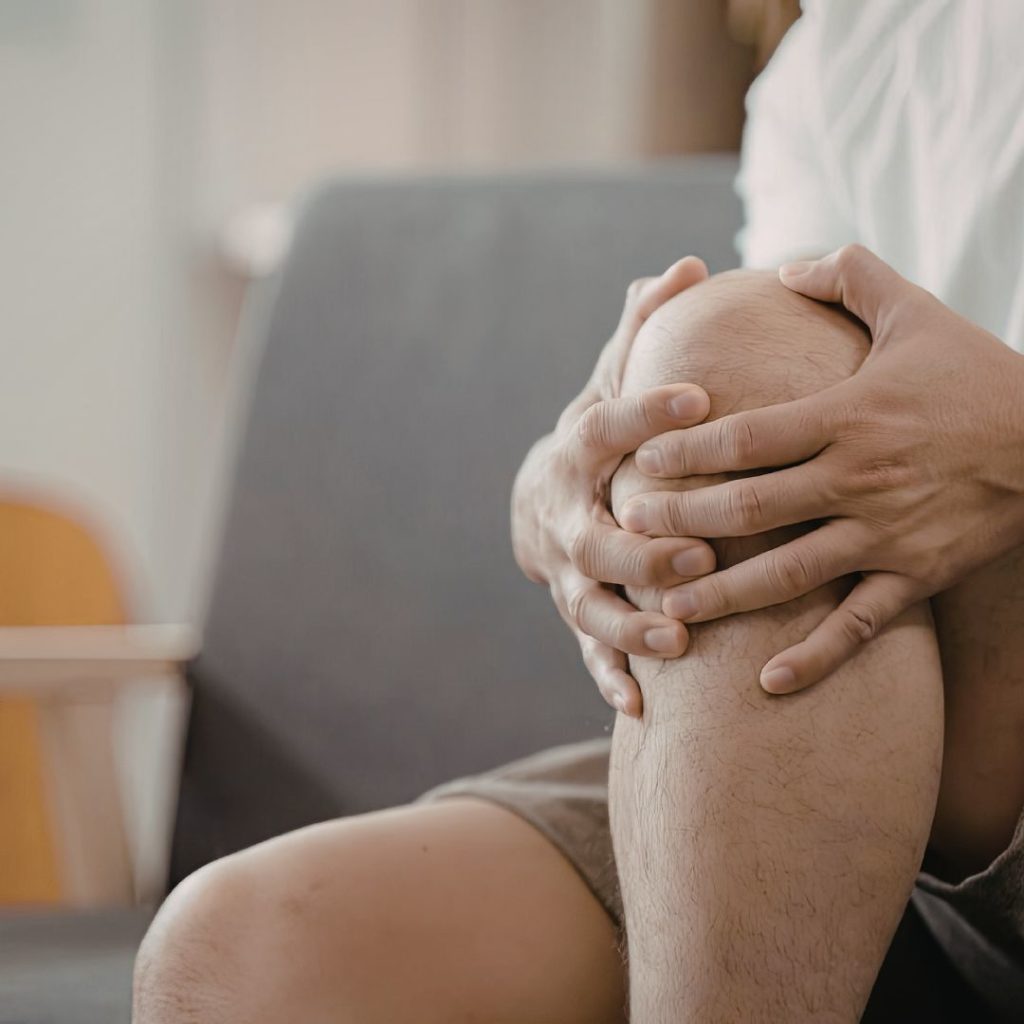
If you’ve been asking yourself, “Why does my knee hurt?” you’re not alone.
Knee pain is one of the most common reasons people limit activity, avoid exercise, or stop doing things they enjoy. Whether it started suddenly or gradually worsened over time, knee pain can make everyday movements like walking, climbing stairs, squatting, or getting out of a chair feel frustrating.
The good news is that most knee pain has a clear cause — and physical therapy can often help without surgery.
Let’s break it down.
Understanding Why Knee Pain Happens
Your knee is a complex joint that connects your thigh bone (femur) to your shin bone (tibia). It relies on cartilage, ligaments, tendons, and muscles to move smoothly and absorb force.
Every time you walk, your knee absorbs force equal to several times your body weight. When you climb stairs or squat, that force increases even more. If the surrounding muscles aren’t strong enough, or if movement patterns are off, extra stress builds up in the joint.
Over time, that stress can lead to irritation, inflammation, or injury.
Common Causes of Knee Pain
Knee pain isn’t one-size-fits-all. Here are some of the most common causes we see:
1. Osteoarthritis
Osteoarthritis occurs when the cartilage in the knee gradually wears down. This can cause stiffness, swelling, and pain that worsens with activity but improves with rest. Many people think arthritis means they should stop moving — but appropriate movement actually helps manage symptoms.
2. Patellofemoral Pain (Runner’s Knee)
This type of knee pain is often felt around or behind the kneecap. It commonly occurs with stairs, squatting, or prolonged sitting. It’s often related to muscle imbalances in the hips and thighs that affect how the kneecap tracks during movement.
3. Tendon Irritation
The patellar tendon connects your kneecap to your shin bone. Repetitive jumping, running, or sudden increases in activity can irritate this tendon. This often causes pain just below the kneecap.
4. Meniscus Irritation
The meniscus is cartilage that cushions your knee joint. Twisting motions or deep squatting can irritate or tear it. Symptoms may include catching, clicking, or swelling.
5. Weak Hip and Core Muscles
Sometimes the knee isn’t the real problem. Weakness in the hips or core can cause the knee to move in a way that increases strain. Strengthening the right muscles can significantly reduce knee pain.
When Is Knee Pain Serious?
Not all knee pain requires immediate medical attention. However, you should seek care if:
- The knee is visibly swollen
- You cannot fully bear weight
- The joint feels unstable or gives out
- Pain persists longer than a few weeks
- Symptoms are getting worse
Early evaluation often prevents small issues from becoming long-term problems.
How Physical Therapy Helps Knee Pain
Physical therapy focuses on identifying the root cause of your knee pain rather than simply masking symptoms.
A licensed physical therapist will assess:
- Strength in your hips, thighs, and core
- Knee mobility
- Walking and movement patterns
- Balance and stability
- Pain triggers
From there, a personalized plan is created to restore strength, improve mechanics, and reduce joint stress.
In many cases, strengthening surrounding muscles reduces pressure on the knee joint itself.
Should I Rest or Keep Moving?
Complete rest is rarely the answer.
While short-term rest may calm irritation, prolonged inactivity often leads to stiffness and weakness. The goal is controlled, guided movement that supports healing without aggravating symptoms.
Remember: motion is lotion. Movement improves circulation and helps nourish joint tissues.
Knee Pain in South Portland
If you’re in South Portland and dealing with knee pain, you don’t have to wait until it becomes severe.
Many patients are surprised how much improvement they see once they begin targeted strengthening and movement retraining. Whether your knee pain is from arthritis, overuse, or muscle imbalance, early physical therapy can help you return to walking, exercising, and daily activities with more confidence.
Take the Next Step
If you’ve been wondering why your knee hurts, getting answers is the first step.
Physical therapy can help you understand what’s happening and build a plan that fits your goals and lifestyle.
If you’re in South Portland or the surrounding communities, our team at Reform Physical Therapy is here to help you move better and feel stronger.
RELATED BLOG POSTS:
- I’ve Tried Everything for My Pain — What Should I Do Next?
- Can Physical Therapy Help Pain Years After an Injury?
- Pelvic Floor Physical Therapy Is Not Just for Postpartum