


Winter Joint Pain: Why It Gets Worse and How Physical Therapy Helps
Posted by: in Winter Wellness on December 18, 2025
Many people notice winter joint pain becomes worse during the colder months. Cold temperatures, slippery conditions, and spending more time indoors can all increase stiffness and discomfort in the joints. Pain in the knees, hips, shoulders, and back is especially common in winter. Winter joint pain can make everyday activities feel harder than usual. Simple tasks like walking, climbing stairs, or getting dressed may cause discomfort. While this type of pain is common, it does not have to control your winter. Understanding what causes it and how physical therapy can help makes a big difference.
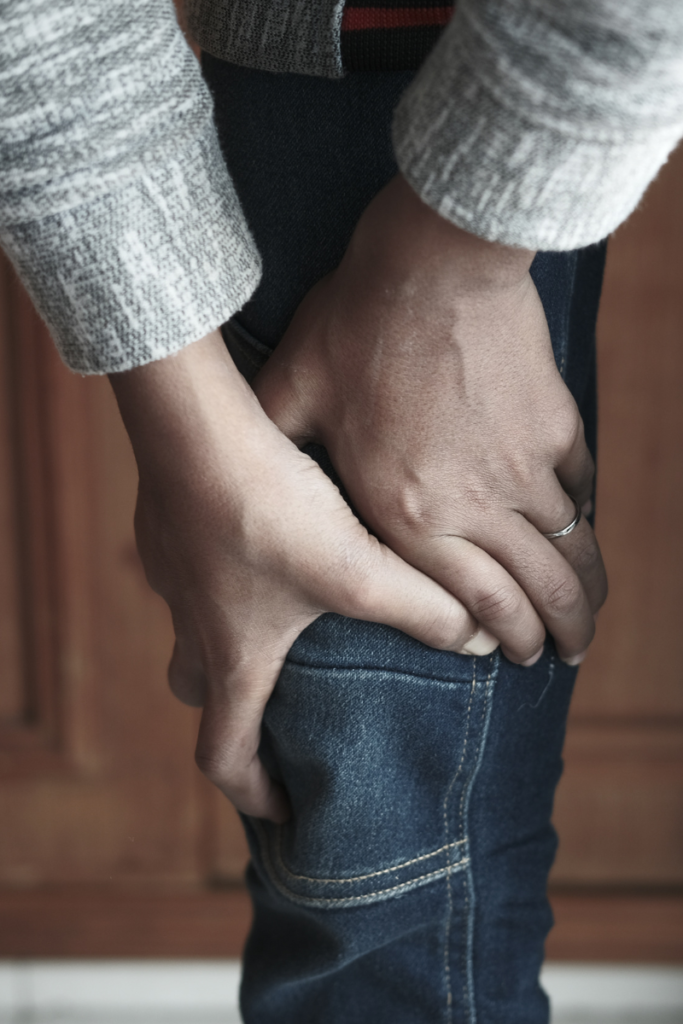
Why Cold Weather Affects Your Joints
Cold weather causes muscles and tissues around the joints to tighten. When this happens, joints may feel stiff, sore, or harder to move. Reduced blood flow in colder temperatures can also contribute to discomfort and slower movement. Changes in air pressure may affect joints as well, especially for people with arthritis or past injuries. In addition, winter often leads to less physical activity. Sitting more and moving less can weaken muscles that support the joints, increasing pain and stiffness over time. According to the Arthritis Foundation, cold weather can increase joint stiffness and discomfort for many people, especially those with arthritis or past joint injuries.

Common Joints That Hurt More in Winter
Winter joint pain most often affects areas of the body that handle weight and repetitive movement. The knees and hips work harder during walking and balance activities, especially on icy surfaces. The shoulders and neck may become sore from tension, heavy clothing, or activities like shoveling snow.
The lower back is another area that often feels more painful in winter. Reduced activity, cold muscles, and poor posture while sitting indoors for long periods can all increase back discomfort.
How Reduced Activity Makes Joint Pain Worse
During winter, many people become less active without realizing it. Shorter days, colder temperatures, and bad weather often lead to more sitting and less movement. When joints are not moved regularly, they can become stiff and weak. Muscles that support the joints may lose strength, which places more stress on the joint itself. Over time, this can lead to increased pain, reduced balance, and a higher risk of injury. Staying gently active is one of the most important ways to manage winter joint pain.

Simple Ways to Manage Winter Joint Pain
Managing winter joint pain often starts with small daily habits. Keeping joints warm can help muscles relax and reduce stiffness. Gentle movement, such as stretching or light exercise, helps maintain flexibility and blood flow. Warming up before activity is especially important in cold weather. Taking breaks during repetitive tasks like shoveling snow can also help prevent joint strain. Wearing supportive footwear improves stability and reduces the risk of slips that may worsen joint pain.
How Physical Therapy Helps With Winter Joint Pain
Physical therapy focuses on improving how your body moves and functions. A physical therapist can identify weak muscles, stiff joints, or movement patterns that contribute to pain. Treatment is personalized based on your needs, goals, and activity level.
Physical therapy can help reduce stiffness, improve strength around painful joints, and increase flexibility. It also teaches safe movement strategies that protect joints during daily activities and winter tasks. Many people notice improved comfort and confidence with movement after starting physical therapy.

When to See a Physical Therapist
If joint pain lasts longer than a few weeks, worsens in winter, or interferes with daily activities, it may be time to seek professional care. Physical therapy is also helpful if stiffness limits movement or if you feel unsteady or weak. Early treatment can help reduce pain, improve mobility, and prevent long-term problems. Addressing joint pain sooner often leads to better outcomes and a faster return to comfortable movement.
How Reform Physical Therapy Can Help
At Reform Physical Therapy, we provide one-on-one care focused on helping patients move better and feel stronger year-round. Our team works closely with you to understand your symptoms and create a plan that supports your goals.
Whether you are dealing with new winter joint pain or ongoing discomfort, physical therapy can help you stay active, confident, and comfortable throughout the colder months.
Struggling with joint pain this winter?
Reform Physical Therapy can help reduce stiffness, improve movement, and support long-term joint health. Contact your nearest Reform clinic to schedule an evaluation today.